
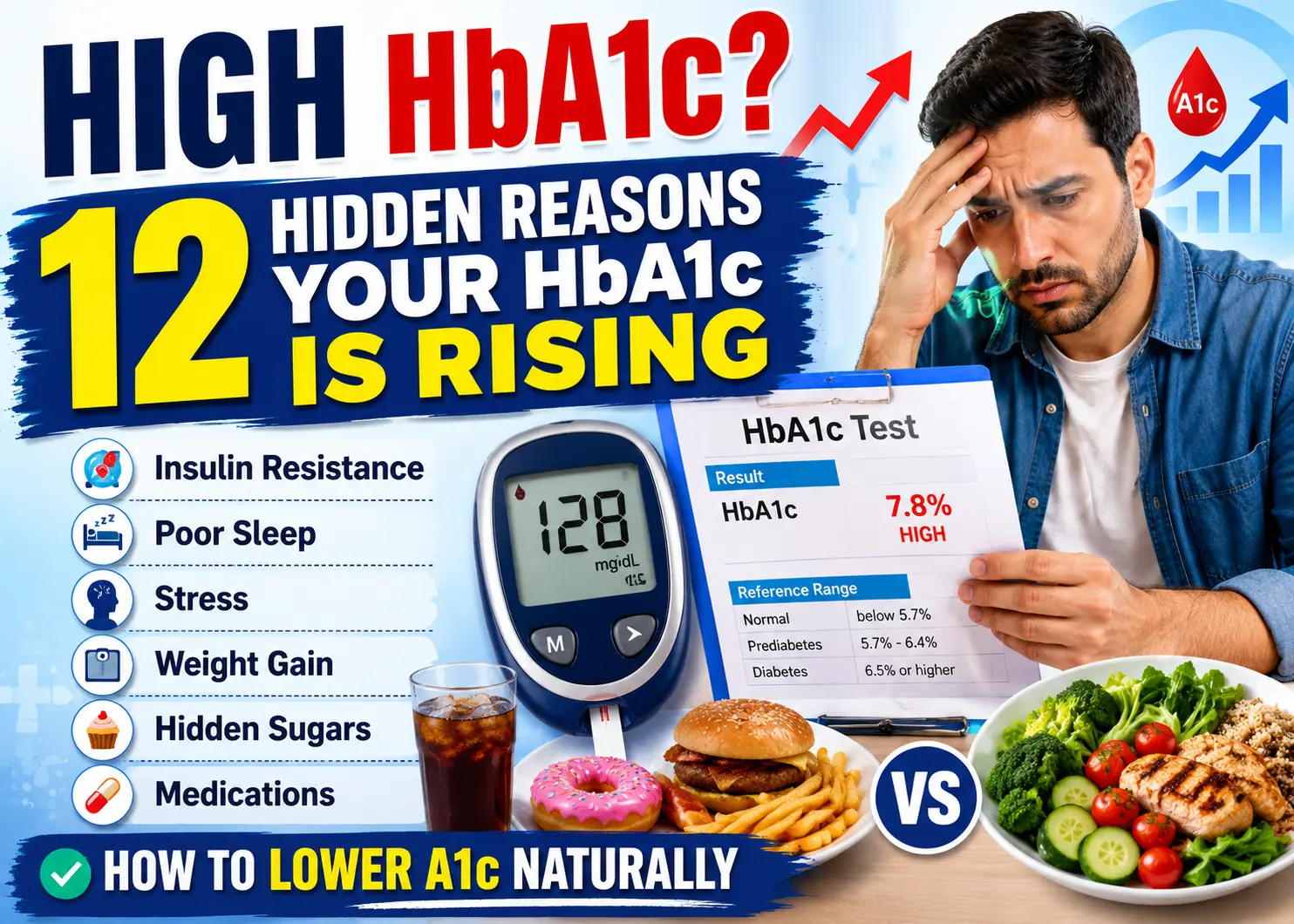
HbA1c Explained: What Causes HbA1c to Rise and How to Keep It Under Control
Introduction
For people with diabetes or prediabetes, HbA1c is one of the most important health numbers to track. While daily blood sugar readings can fluctuate throughout the day, HbA1c provides a broader view of blood sugar control over the previous two to three months.
Most articles focus primarily on what HbA1c is and how the test works. However, many people have a more practical question: Why is my HbA1c high, and what is causing it to rise?
The answer is often more complex than simply eating too much sugar. Diet certainly plays a role, but factors such as stress, poor sleep, weight gain, medications, illness, and hormonal changes can all contribute to elevated HbA1c levels.
Understanding these causes is the first step toward improving long-term blood sugar control and reducing the risk of diabetes-related complications.
Understanding HbA1c in Brief
HbA1c, also known as glycated hemoglobin or A1c, measures the percentage of hemoglobin in red blood cells that has glucose attached to it.
Because red blood cells live for approximately three months, the HbA1c test reflects average blood sugar levels over the previous 8–12 weeks rather than a single day.
HbA1c Reference Ranges
| HbA1c Level | Meaning |
|---|---|
| Below 5.7% | Normal |
| 5.7%–6.4% | Prediabetes |
| 6.5% or higher | Diabetes |
| Below 7% | Common treatment target for many adults with diabetes |
While these numbers provide useful guidance, HbA1c goals should always be individualized based on age, overall health, and medical history.
What Causes HbA1c to Rise?
Many people assume that elevated HbA1c is caused solely by eating sweets. In reality, HbA1c increases when blood sugar remains elevated over time, and numerous lifestyle, metabolic, and medical factors can contribute.

1. Excess Consumption of Refined Carbohydrates and Sugary Foods
One of the most common reasons for rising HbA1c is frequent consumption of foods that cause rapid spikes in blood sugar.
Examples include:
-
Sugary beverages
-
Candy and desserts
-
White bread
-
White rice
-
Sweetened breakfast cereals
-
Packaged snacks
-
Bakery products
These foods are quickly broken down into glucose, causing blood sugar levels to rise significantly. When such spikes occur repeatedly over weeks and months, HbA1c gradually increases.
Many people underestimate the impact of liquid calories such as soft drinks, fruit juices, sweetened tea, and energy drinks, which can significantly contribute to poor glucose control.
2. Physical Inactivity
Physical activity helps muscles use glucose for energy.
When a person spends most of the day sitting and rarely exercises, the body's ability to use glucose efficiently decreases. Over time, this contributes to higher blood sugar levels and increased insulin resistance.
Even individuals who exercise occasionally may experience elevated HbA1c if they remain sedentary for most of the day.
Simple lifestyle changes such as walking after meals, taking regular movement breaks, and increasing daily step counts can positively affect glucose control.
3. Insulin Resistance
Insulin resistance is one of the major drivers of elevated HbA1c.
In this condition, the body's cells become less responsive to insulin, making it harder for glucose to enter cells and be used for energy.
As a result, glucose remains in the bloodstream longer, causing blood sugar levels to rise.
Insulin resistance is commonly associated with:
-
Prediabetes
-
Type 2 diabetes
-
Obesity
-
Metabolic syndrome
-
Polycystic ovary syndrome (PCOS)
In many cases, insulin resistance develops years before diabetes is diagnosed.
4. Weight Gain and Abdominal Obesity
Carrying excess weight, particularly around the abdomen, is strongly linked to higher HbA1c levels.
Abdominal fat is metabolically active and releases inflammatory substances that interfere with insulin function.
This means the pancreas must produce more insulin to maintain normal blood sugar levels. Over time, this process becomes less effective, leading to persistent glucose elevations.
Even modest weight loss can significantly improve insulin sensitivity and help lower HbA1c.
5. Missing Diabetes Medications
For individuals already diagnosed with diabetes, medication adherence is critical.
HbA1c may rise when:
-
Medications are skipped regularly
-
Insulin doses are missed
-
Medicines are taken at incorrect times
-
Prescriptions are not adjusted when needed
Because HbA1c reflects long-term glucose exposure, even occasional lapses in treatment can contribute to higher readings when they occur consistently over several months.
6. Chronic Stress
Stress affects much more than mental well-being.
During stressful situations, the body releases hormones such as cortisol and adrenaline. These hormones signal the liver to release additional glucose into the bloodstream.
Short-term stress responses are normal, but chronic stress can lead to persistently elevated blood sugar levels.
Common sources of chronic stress include:
-
Work pressure
-
Financial concerns
-
Family responsibilities
-
Caregiver burden
-
Emotional distress
Managing stress effectively can be an important yet often overlooked part of diabetes care.
7. Poor Sleep Quality
Sleep and blood sugar regulation are closely connected.
Research has shown that inadequate sleep can reduce insulin sensitivity and increase glucose production.
Individuals who regularly sleep less than six hours per night often have greater difficulty maintaining healthy blood sugar levels.
Conditions such as sleep apnea are particularly important because they frequently go undiagnosed while contributing to worsening glucose control.
Signs of sleep apnea may include:
-
Loud snoring
-
Daytime fatigue
-
Morning headaches
-
Interrupted sleep
8. Illness and Infection
Many people notice temporary increases in blood sugar when they become sick.
This occurs because illness activates stress hormones that raise glucose levels as part of the body's natural response.
Common triggers include:
-
Influenza
-
COVID-19
-
Pneumonia
-
Urinary tract infections
-
Dental infections
-
Chronic inflammatory conditions
If illness persists for weeks or months, HbA1c may rise accordingly.
9. Hormonal Changes
Hormones play a major role in blood sugar regulation.
Several hormonal conditions can contribute to elevated HbA1c:
-
Pregnancy
-
Menopause
-
Thyroid disorders
-
Cushing syndrome
-
Growth hormone disorders
These conditions can alter insulin sensitivity and affect the body's ability to maintain normal glucose levels.
10. Certain Medications
Some medications can increase blood sugar levels and contribute to higher HbA1c results.
Examples include:
-
Corticosteroids
-
Certain psychiatric medications
-
Some anti-rejection drugs
-
Certain hormone therapies
Individuals experiencing unexpected increases in HbA1c should discuss all medications and supplements with their healthcare provider.
11. Smoking and Excessive Alcohol Consumption
Smoking promotes inflammation and insulin resistance, making blood sugar control more difficult.
Excessive alcohol intake can also disrupt glucose regulation and contribute to unhealthy eating patterns, weight gain, and metabolic dysfunction.
Reducing or eliminating these habits often supports better long-term glucose management.
12. Age-Related Metabolic Changes
As people age, several physiological changes can affect blood sugar control.
These include:
-
Reduced muscle mass
-
Lower physical activity levels
-
Increased insulin resistance
-
Changes in hormone production
Although aging itself does not cause diabetes, it can make glucose regulation more challenging.
Hidden Reasons Your HbA1c May Be Rising
Some individuals are surprised when their HbA1c increases despite making apparent efforts to stay healthy.
Common hidden contributors include:
Hidden Sugars
Many processed foods contain added sugars that are easy to overlook.
Examples include:
-
Flavored yogurt
-
Granola bars
-
Ketchup
-
Salad dressings
-
Packaged sauces
-
Protein drinks
Stress Eating
Emotional stress often leads to increased consumption of high-calorie comfort foods.
Even occasional episodes can add up over time.
Undiagnosed Sleep Apnea
Many people focus on diet while overlooking sleep disorders that may be significantly affecting blood sugar control.
Reduced Daily Movement
Someone may spend an hour exercising each day but remain seated for the remaining waking hours.
Low overall movement can still contribute to insulin resistance.
Progressive Diabetes
Type 2 diabetes often progresses over time.
As insulin-producing cells gradually lose function, blood sugar control may worsen despite maintaining the same lifestyle habits.
In such cases, treatment plans may need adjustment.
HbA1c Targets by Age and Health Status
HbA1c targets are not identical for everyone.
Healthcare providers often personalize goals based on an individual's overall health, life expectancy, and risk of complications.
| Group | Common HbA1c Goal |
|---|---|
| Healthy adults with diabetes | Below 7% |
| Younger adults with low complication risk | Around 6.5% or lower if safely achievable |
| Older adults in good health | Around 7–7.5% |
| Older adults with multiple chronic illnesses | Around 7.5–8% |
| Frail elderly individuals | Individualized targets |
| People with prediabetes | Focus on preventing progression to diabetes |
The safest and most appropriate target should always be determined with a healthcare professional.
How to Lower HbA1c Naturally
Improving HbA1c generally requires a combination of healthy habits rather than a single intervention.

Effective strategies include:
-
Following a balanced, high-fiber diet
-
Reducing refined carbohydrates and added sugars
-
Exercising regularly
-
Maintaining a healthy weight
-
Getting adequate sleep
-
Managing stress
-
Taking medications as prescribed
-
Monitoring blood sugar consistently
-
Attending regular medical appointments
Small improvements maintained consistently often produce greater benefits than short-term extreme changes.
Conclusion
HbA1c is more than just a laboratory number—it is a reflection of long-term blood sugar exposure and overall metabolic health. While excessive sugar intake is a well-known contributor, elevated HbA1c is often driven by a combination of factors including insulin resistance, weight gain, physical inactivity, stress, poor sleep, illness, hormonal changes, and medication-related effects.
By identifying the underlying reasons behind rising HbA1c levels, individuals can take targeted steps to improve blood sugar control, reduce their risk of complications, and support better long-term health. Rather than focusing on a single cause, the most effective approach is usually a comprehensive strategy that addresses lifestyle, medical, and metabolic factors together.
Frequently Asked Questions