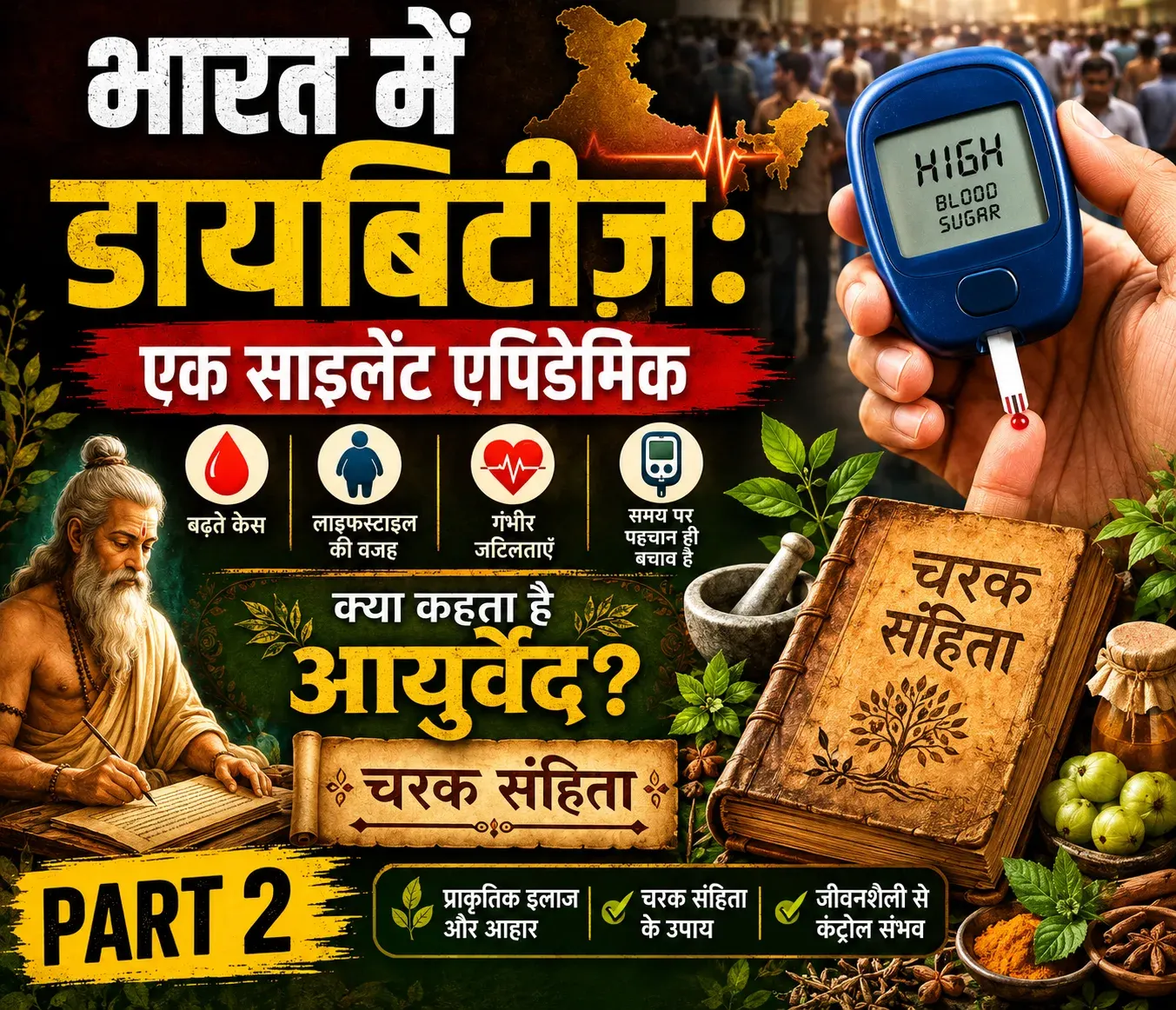
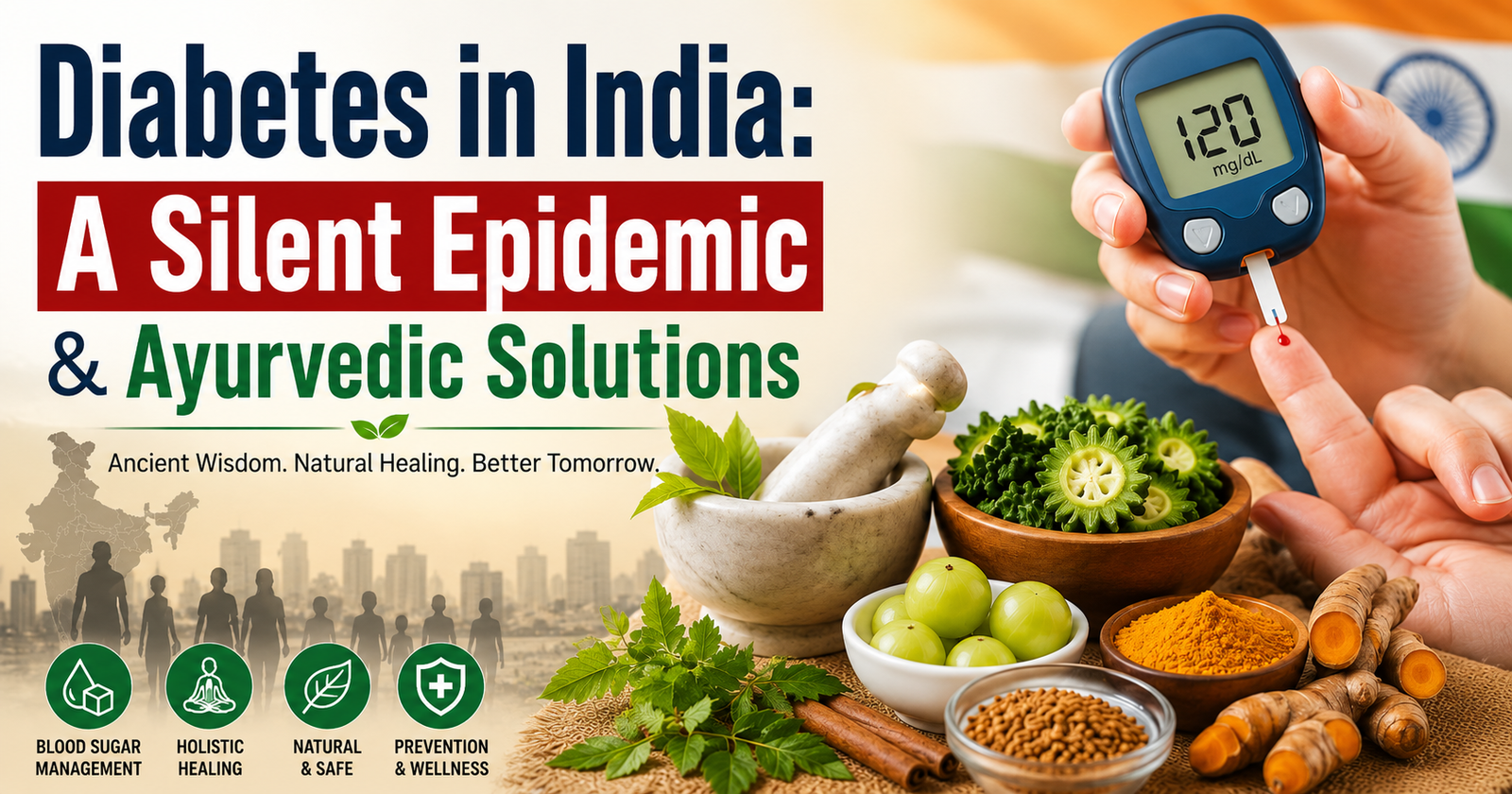
Navigating the Diabetes Epidemic in India: Bridging Modern Clinical Science and Ayurvedic Wisdom
When I sit down with patients in my practice who have just received a diagnosis of prediabetes or type 2 diabetes, the room often fills with quiet anxiety. Families across India are grappling with a staggering health reality: our nation is frequently cited as home to more than 100 million individuals living with diabetes, with millions more potentially remaining undiagnosed [ICMR-INDAB, 2023].
Managing this condition requires more than prescription management or generic dietary restrictions. In my clinical experience, the most meaningful outcomes often come from looking at health through a dual lens—combining the precision of modern clinical endocrinology with the deep, traditional health principles of classical Ayurveda.
Let’s explore how diabetes manifests, why lifestyle factors are contributing to its rise in India, and how an integrated understanding of modern medicine and Ayurvedic wisdom may support better metabolic health.
Understanding Diabetes: Modern Medical Insights
Medically, diabetes is a chronic metabolic disorder characterized by persistent hyperglycemia, or elevated blood glucose levels.
Glucose serves as a primary source of energy for our cells, but transporting glucose from the bloodstream into cells requires insulin, a hormone produced by the beta cells of the pancreas.
When the body does not produce enough insulin, or when cells become resistant to insulin's effects, glucose begins to accumulate in the bloodstream. Over time, persistently elevated blood glucose can damage blood vessels, nerves, kidneys, eyes, and other organs.
The Spectrum of Glucose Regulation
To understand where you stand metabolically, clinical guidelines generally categorize blood glucose regulation into three broad categories:
Normal
-
Fasting Blood Glucose (FBS): Below 100 mg/dL
-
HbA1c: Below 5.7%
-
[ADA, 2024]
Prediabetes — A Warning Stage
-
Fasting Blood Glucose: 100–125 mg/dL
-
HbA1c: 5.7%–6.4%
-
[ADA, 2024]
Prediabetes indicates an increased risk of progressing to type 2 diabetes. For many people, lifestyle changes can substantially reduce this risk.
Diabetes
-
Fasting Blood Glucose: 126 mg/dL or higher
-
HbA1c: 6.5% or higher
-
[ADA, 2024]
A diagnosis of diabetes generally requires appropriate medical evaluation and structured management under the guidance of a qualified healthcare professional.
Common Comorbidities in the Indian Context
In India, diabetes frequently occurs alongside other metabolic and cardiovascular conditions rather than appearing in isolation.
Hypertension
High blood pressure commonly accompanies diabetes and significantly increases cardiovascular risk. People living with diabetes should therefore have their blood pressure monitored regularly.
Cardiovascular Disease
Cardiovascular disease is one of the major complications associated with diabetes. Long-term elevated blood glucose, particularly when combined with hypertension, abnormal cholesterol levels, obesity, or smoking, can increase cardiovascular risk.
Fatty Liver and Kidney Disease
Metabolic dysfunction can also be associated with conditions such as metabolic dysfunction-associated steatotic liver disease (MASLD, formerly commonly referred to as NAFLD) and diabetic kidney disease.
These associations highlight why early identification and comprehensive metabolic management are important.
The Ayurvedic Dimension: Understanding Prameha and Madhumeha
Long before modern endocrinology described insulin resistance and pancreatic beta-cell function, classical Ayurvedic texts discussed a group of metabolic and urinary disorders collectively known as Prameha.
Within this framework, Madhumeha is described as one of the clinical presentations of Prameha, traditionally associated with characteristic changes in urine.
It is important, however, not to equate Madhumeha directly with modern diabetes in every case. Ayurveda and modern medicine use different diagnostic frameworks, terminology, and disease classifications.
1. Doshas and Dhatus Involved
According to classical Ayurvedic descriptions, Prameha involves disturbances of the Tridoshas—Vata, Pitta, and Kapha—with Kapha and Vata playing particularly important roles in different stages and presentations.
Kapha Imbalance
Kapha aggravation is traditionally associated with:
-
Heaviness
-
Excessive accumulation of Meda
-
Sluggish metabolic processes
-
Increased Kleda
-
Obstruction or disturbance of bodily channels (Srotas)
From an Ayurvedic perspective, these factors are considered important in the development of Prameha.
Vata Involvement
In more advanced or wasting presentations, Vata may become prominent and is traditionally associated with:
-
Dhatu kshaya (tissue depletion)
-
Weakness
-
Emaciation
-
Neurological manifestations
Dhatus and Metabolic Components
Classical Ayurvedic descriptions associate Prameha with disturbances involving several tissues and metabolic components, including:
-
Meda — adipose/fat tissue
-
Mamsa — muscle tissue
-
Kleda — fluid/metabolic waste component
-
Ojas — associated in Ayurveda with vitality and resilience
These concepts belong to the Ayurvedic physiological framework and should not be interpreted as direct one-to-one equivalents of modern biochemical mechanisms.
2. Classical Text References
Charaka Samhita
The Charaka Samhita, particularly its discussion of Prameha Chikitsa, describes dietary and lifestyle factors such as physical inactivity (Avyayama), excessive daytime sleeping (Divaswapna), and frequent consumption of heavy, sweet, and cold foods (Guru, Madhura, Shita Ahara) as contributing factors in Prameha.
The text connects these factors with disturbances involving Kapha, Meda, Kleda, and the body's channels (Srotas).
Sushruta Samhita
The Sushruta Samhita, in its discussion of Prameha Nidana, describes different forms of Prameha according to doshic predominance and discusses the role of dietary, lifestyle, and hereditary factors.
These classical descriptions provide an important historical perspective on how Ayurveda understood metabolic and urinary disorders.
Lifestyle and Dietary Adjustments: Bridging Both Worlds
In clinical practice, I emphasize that sustainable changes in daily routine (Dinacharya) and nutritional choices (Ahara) can play an important role in metabolic health.
The goal should not necessarily be to follow an unnecessarily restrictive diet. Instead, the focus should be on balanced nutrition, appropriate portions, regular physical activity, adequate sleep, and sustainable habits.
Dietary Wisdom for Blood Sugar Balance
Traditional Indian foods can fit well into a balanced diabetes-friendly eating pattern when portions and overall carbohydrate intake are appropriate.
1. Emphasize Fibre-Rich Carbohydrates and Protein
Consider incorporating:
-
Jowar
-
Bajra
-
Ragi
-
Whole grains
-
Brown rice, where appropriate
-
Whole-wheat preparations
-
Moong dal
-
Chana
-
Other pulses and legumes
The key is not simply replacing one carbohydrate with another, but considering the overall quantity, fibre content, protein intake, and individual glucose response.
2. Incorporate Traditional Spices and Foods
Ayurveda has traditionally valued ingredients such as:
-
Haridra (Turmeric)
-
Methi (Fenugreek)
-
Karela (Bitter Gourd)
These ingredients have been studied in modern nutritional and biomedical research for their potential effects on glucose metabolism.
However, evidence for herbal or dietary interventions varies, and they should not be considered substitutes for prescribed diabetes treatment.
3. Control Portions and Meal Timing
Portion control is often as important as food selection.
Avoiding very large meals, particularly late at night, may support better overall metabolic control. A consistent eating schedule can also make diabetes management easier for many individuals.
Ayurveda traditionally emphasizes Agni, or digestive capacity, when discussing meal timing and digestion. Modern nutrition, meanwhile, focuses on factors such as total calorie intake, macronutrient distribution, circadian rhythms, and individual metabolic response.
These are different frameworks, but both encourage attention to eating patterns rather than focusing exclusively on individ
FAQs
Q1: What is the main difference between Type 1 and Type 2 diabetes?
A1: Type 1 diabetes is an autoimmune condition where the pancreas produces little to no insulin, usually diagnosed in youth. Type 2 diabetes involves insulin resistance or insufficient insulin production, accounting for over $90\%$ of cases in India and strongly linked to lifestyle factors.
Q2: How does Ayurveda define diabetes?
A2: Ayurveda classifies diabetes primarily under Prameha or Madhumeha, viewing it as a complex metabolic disorder driven by an imbalance of Kapha, Vata, and Pitta, combined with sluggish digestion (Agni) and obstructed micro-channels (Srotas).
Q3: Can prediabetes be reversed naturally?
A3: Yes. With consistent lifestyle changes—such as adopting a low-glycemic diet, regular physical exercise, weight management, and stress reduction—many individuals successfully return their blood sugar levels to the normal range.
Q4: Why is central obesity so dangerous for diabetes risk in Indians?
A4: South Asians tend to store visceral fat (fat around abdominal organs) more readily, which significantly elevates systemic inflammation and worsens insulin resistance even at lower body mass indexes (BMIs).
Q5: Are Ayurvedic herbs safe to take alongside conventional diabetes medications?
A5: While many classical herbs (like Haridra, Methi, and Gudmar) can support blood sugar management, they must be monitored closely alongside allopathic medications to prevent unexpected hypoglycemia (low blood sugar). Always consult your healthcare provider.
Q6: What role does stress play in blood sugar fluctuations?
A6: Chronic psychological stress triggers the release of cortisol and adrenaline, hormones that signal the liver to release stored glucose into the bloodstream, directly elevating blood sugar levels.
Q7: How often should someone with diabetes check their HbA1c?
A7: For most individuals managing diabetes, an $\text{HbA1c}$ test is recommended every $3$ to $6$ months to evaluate long-term glycemic control and treatment efficacy.
Q8: Are all fruits forbidden for people with diabetes?
A8: No. Fruits with lower glycemic indices, such as guavas, papayas, apples, and berries, can be enjoyed in controlled portions, while high-sugar tropical fruits or processed fruit juices should be limited.
Q9: What is the significance of Agni in managing metabolic disorders?
A9: Agni represents the body’s metabolic fire. In Ayurveda, restoring Agni ensures that ingested food is properly transformed into cellular energy rather than turning into metabolic toxins (Ama) that obstruct channels.
Q10: When should I seek immediate medical attention for diabetes symptoms?
A10: Seek urgent care if you experience symptoms of severe hyperglycemia or ketoacidosis, such as extreme thirst, frequent confusion, persistent vomiting, rapid breathing, or fruity-smelling breath.
Frequently Asked Questions