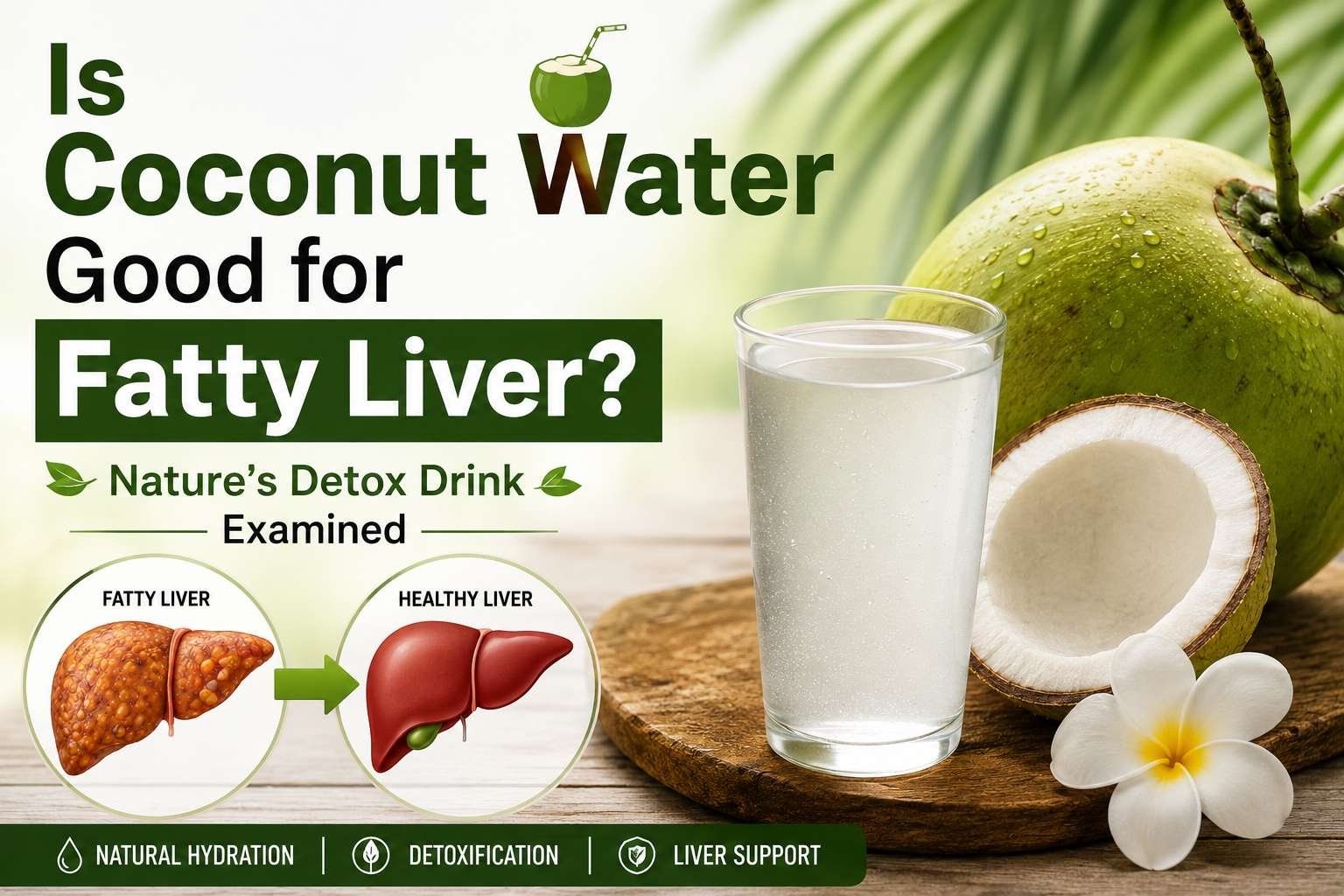
Can Coconut Water Support Fatty Liver Management? A Clinical and Ayurvedic Perspective
In my practice as an educator and wellness consultant, I frequently meet individuals who receive an unexpected diagnosis during routine abdominal scans: hepatic steatosis, commonly known as fatty liver. Often completely silent in its early stages, fatty liver occurs when excess fat droplets accumulate inside hepatocytes (liver cells). With modern lifestyles characterized by sedentary routines, high stress, and processed diets rich in refined sugars and trans fats, this metabolic condition has reached epidemic proportions globally.
When clients sit in front of me with their ultrasound reports, one of their most common questions is, "What natural drinks can I incorporate to help clear my liver?" Beyond clean eating and weight management, people look for refreshing, accessible aids. Among tropical beverages, fresh tender coconut water has earned a massive following. But how does this refreshing water stack up under the scrutiny of modern hepatology and classical Ayurvedic science? Let us examine the clinical realities and traditional wisdom.
Understanding Fatty Liver: Modern and Ayurvedic Lenses
From a modern clinical standpoint, non-alcoholic fatty liver disease (NAFLD) is deeply intertwined with metabolic dysfunction. When cells develop insulin resistance, the body struggles to process glucose efficiently. This forces the pancreas to pump out excess insulin, which drives free fatty acids directly into the liver. Over time, oxidative stress, cellular injury, and chronic low-grade inflammation can escalate steatosis into non-alcoholic steatohepatitis (NASH), fibrosis, or cirrhosis [NIH, 2023].
Viewing this through the classical lens of Ayurveda, the liver is revered as the primary seat of Ranjaka Pitta and the foundational site where Rasa and Rakta Dhatus (nutritive and blood tissues) are processed and refined. When our daily lifestyle (Vihara) and diet (Ahara) go out of balance—such as consuming heavy, greasy, or artificial foods while lacking adequate physical activity—our metabolic digestive fire (Agni) falters at the tissue level (Dhatvagni Mandya). This disruption causes the formation of Ama (metabolic toxins) and the vitiation of Kapha dosha and Pitta dosha, which clog the subtle channels (Srotas) of the liver and manifest as sluggish metabolism, lethargy, and heaviness.
Medical Disclaimer: This article is for educational and informational purposes only and should not be construed as professional medical advice, diagnosis, or treatment. Always consult a qualified healthcare provider or Ayurvedic practitioner before making significant changes to your diet or health regimen.
Nutritional Breakdown and the Metabolic Impact of Coconut Water
Tender coconut water is far more than a simple thirst quencher; it is a complex, naturally packaged biological fluid. It features:
-
Low Caloric and Fat Content: It provides clean hydration without the burden of heavy fats.
-
Essential Electrolytes: Rich in potassium, magnesium, sodium, and calcium.
-
Cytokinins: Bioactive plant hormones known for their cellular protection and antioxidant properties.
-
Natural Sugars: Present in mild amounts, offering gentle energy without the aggressive glycemic spikes associated with commercial sodas.
How Coconut Water May Support Liver Wellness
While coconut water cannot "wash away" liver fat on its own, modern clinical science and traditional principles indicate several supportive mechanisms:
1. Enhancing Cellular Hydration and Detoxification
The liver requires an optimal fluid environment to process and filter metabolic wastes efficiently. Coconut water provides superior cellular hydration compared to plain water because its natural mineral profile matches human electrolyte balance, supporting organ clearance [Journal of Physiological Anthropology, 2012].
2. Potassium and Metabolic Regulation
Potassium is essential for maintaining normal cellular function, fluid balance, and blood vessel relaxation. Adequate potassium intake supports healthy blood pressure and glucose regulation, indirectly easing the metabolic stress placed upon a fatty liver.
3. Fighting Oxidative Stress with Antioxidants
Fatty liver progression is heavily driven by free radical damage and lipid peroxidation. Coconut water contains active enzymes and antioxidants that help neutralize oxidative stress, safeguarding liver cell membranes from progressive inflammatory damage [Food Chemistry, 2017].
4. Replacing Harmful Sugars and Aiding Weight Control
One of the most damaging elements in modern diets is high-fructose corn syrup, which directly promotes hepatic de novo lipogenesis (fat creation in the liver). Swapping sugary sodas or packaged juices for unsweetened tender coconut water drastically cuts down harmful fructose intake, assisting with caloric control and gentle weight management—the two gold standards in reversing NAFLD.
5. Supporting Insulin Sensitivity
Magnesium plays a critical role in carbohydrate metabolism and insulin receptor sensitivity. By contributing to magnesium intake, coconut water helps support stable blood glucose metabolism, addressing a root driver of metabolic fatty liver.
Practical Ways to Include Coconut Water Safely
In my clinical work, I always advise moderation. Even natural beverages require mindful integration:
-
Timing: Enjoy a fresh glass of tender coconut water in the morning on an empty stomach or as a natural post-workout refresher.
-
Culinary Enhancements: You can add a few drops of fresh lemon juice or mint leaves to boost digestive stimulation (Agni).
-
Portion Control: Stick to 1 to 2 cups (250–500 ml) per day.
-
The Golden Rule: Always choose fresh, raw tender coconut water or pure, unsweetened bottled varieties. Avoid commercial versions loaded with added refined sugars and artificial preservatives, which actively harm the liver.
When Coconut Water Might Not Be Suitable
Despite its wholesome nature, coconut water is not a universal remedy for everyone:
-
Kidney Health Concerns: Because coconut water is exceptionally high in potassium, individuals with chronic kidney disease or impaired renal function must consult their nephrologist before consuming it regularly.
-
Blood Sugar Vigilance: Though natural, its carbohydrate content must be factored into the daily nutritional plan for individuals managing strict diabetic regimens.
Comprehensive Lifestyle Support for Liver Health
Relying on a single beverage will not reverse a sluggish liver. Lasting recovery requires a holistic paradigm shift:
-
Whole Food Nutrition: Prioritize high-fiber green vegetables, bitter gourds, healthy fats like omega-3 fatty acids, and clean proteins while eliminating refined flour and deep-fried foods.
-
Consistent Movement: Incorporate daily physical activity—such as brisk walking, swimming, or yoga asanas (like Dhanurasana and Bhujangasana)—to stimulate circulation and burn visceral fat.
-
Circadian Rhythm & Rest: Align your sleep-wake cycle with nature (Dinacharya), ensuring deep restorative rest so the liver can execute its nocturnal cellular repair cycle uninterrupted.
References & Further Reading:
-
Modern Medical References:
-
National Institutes of Health (NIH). (2023). Non-Alcoholic Fatty Liver Disease: Clinical Management and Pathogenesis. NIDDK Research Updates.
-
Journal of Physiological Anthropology. (2012). Rehydration after exercise with fresh tender coconut water, carbohydrate-electrolyte beverage and plain water. PMCID: PMC3299068.
-
Food Chemistry. (2017). Antioxidant and biochemical properties of tender coconut water across developmental stages. Elsevier Publishing.
-
-
Classical Ayurvedic Texts & Books:
-
Charaka Samhita, Sutra Sthana, Chapter 27 (Annapanavidhi Adhyaya) - Detailed analysis of natural waters, cooling liquids, and their effects on bodily doshas and tissue nourishment.
-
Ashtanga Hridaya, Sutra Sthana, Chapter 5 (Dravya Dravaniya Adhyaya) - Classical properties of fresh fruit liquids and coconut water (Narikela).
-
FAQs:
Q1: Can coconut water completely reverse a fatty liver on its own?
A1: No. Coconut water is a wonderful, hydrating, and nutrient-dense supportive beverage, but reversing fatty liver requires a comprehensive lifestyle overhaul, including a clean diet, weight management, and regular exercise.
Q2: How much coconut water is safe to drink daily for someone with NAFLD?
A2: Generally, 1 to 2 cups (250 to 500 ml) of fresh, unsweetened tender coconut water per day is safe and beneficial for most individuals.
Q3: Is packaged coconut water from the supermarket just as good as fresh tender coconut?
A3: Not usually. Many commercial packaged coconut waters contain added sugars, flavorings, and preservatives that increase the metabolic load on your liver. Always opt for fresh tender coconuts or 100% pure, unadulterated bottled water.
Q4: How does Ayurveda categorize coconut water in terms of doshas?
A4: In Ayurveda, tender coconut water (Narikela jala) is pacifying to Pitta and Vata doshas. It possesses a cooling (Shita Virya) and sweet property, which helps soothe internal inflammation and clear burning sensations.
Q5: Should individuals with kidney problems avoid coconut water?
A5: Yes. Because coconut water is exceptionally rich in potassium, individuals with compromised kidney function or renal failure must consult their physician before adding it to their diet to avoid hyperkalemia.