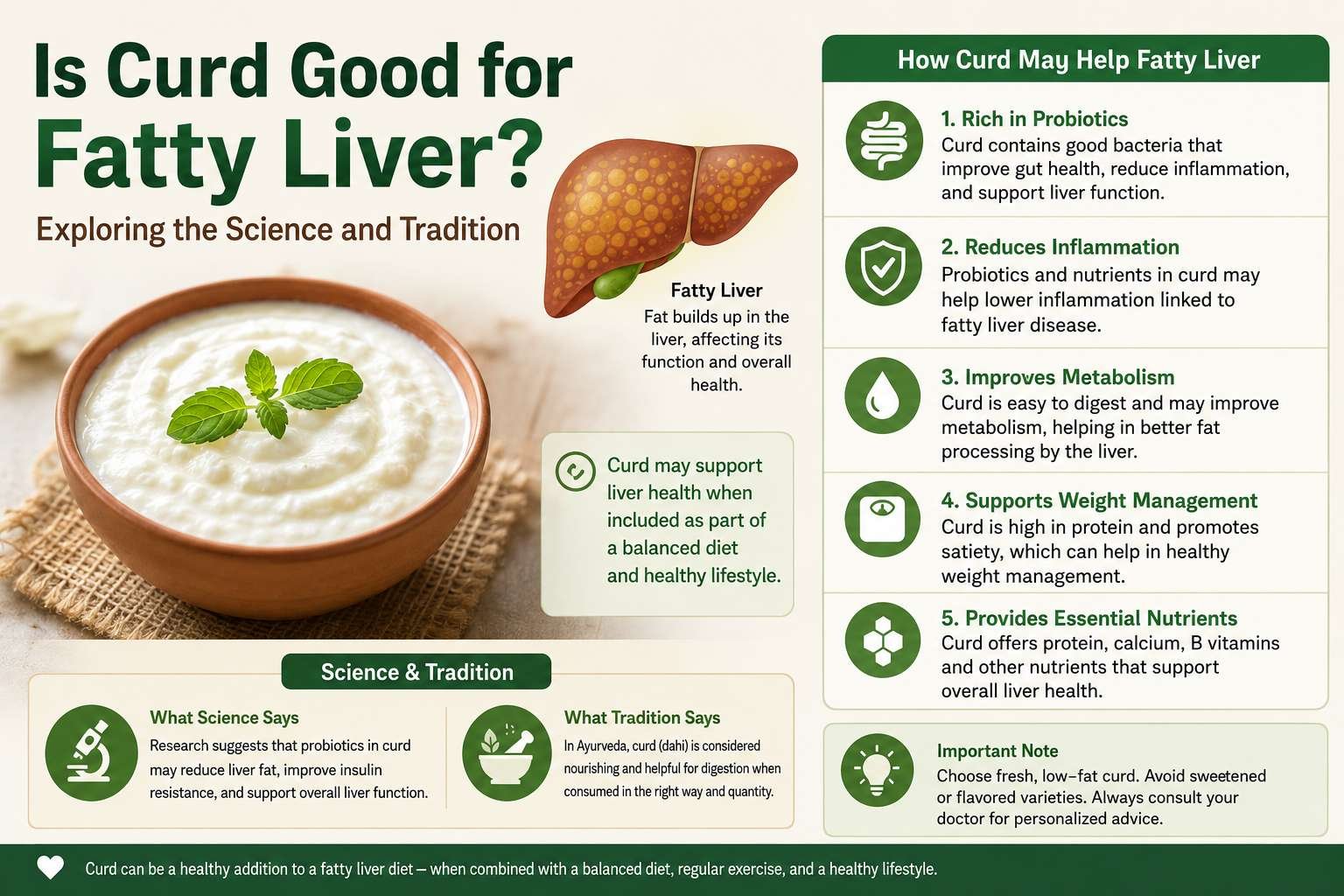
Is Curd Good for Fatty Liver? Clinical Realities and Ayurvedic Wisdom
In my practice as an educator and wellness consultant, I frequently meet individuals who receive an unexpected diagnosis during routine health check-ups: hepatic steatosis, commonly known as fatty liver. Often completely silent in its early stages, fatty liver occurs when excess fat droplets accumulate inside hepatocytes (liver cells) [NIH, 2023]. With modern lifestyles characterized by sedentary routines, high stress, and processed diets rich in refined sugars and trans fats, this metabolic condition has reached epidemic proportions globally.
When clients sit in front of me with their ultrasound reports, one of their most common questions is, "Can I still eat dairy, and is curd safe or beneficial for my liver?" Because traditional diets heavily feature fermented dairy, this is a vital question to explore. Let us examine what modern clinical science and classical Ayurvedic wisdom say about incorporating curd into a liver-supportive lifestyle.
Understanding Fatty Liver: Modern and Ayurvedic Lenses
From a modern clinical standpoint, non-alcoholic fatty liver disease (NAFLD) is deeply intertwined with metabolic dysfunction and insulin resistance. When cells stop responding effectively to insulin, free fatty acids flood the bloodstream and accumulate within the liver. Over time, oxidative stress and chronic low-grade inflammation can escalate simple steatosis into non-alcoholic steatohepatitis (NASH), fibrosis, or cirrhosis [NIH, 2023].
Viewing this through the classical lens of Ayurveda, the liver is revered as the primary seat of Ranjaka Pitta and the foundational site where Rasa and Rakta Dhatus (nutritive and blood tissues) are processed and refined. When our daily lifestyle (Vihara) and diet (Ahara) go out of balance—such as consuming heavy, oily, or incompatible foods while lacking adequate physical activity—our metabolic digestive fire (Agni) falters at the tissue level (Dhatvagni Mandya). According to the Charaka Samhita, this disruption causes the formation of Ama (metabolic toxins) and the vitiation of Kapha dosha, which clog the subtle channels (Srotas) of the liver and manifest as sluggish metabolism, heaviness, and chronic fatigue [Charaka Samhita, Chikitsa Sthana, Chapter 15].
Medical Disclaimer: This article is for educational and informational purposes only and should not be construed as professional medical advice, diagnosis, or treatment. Always consult a qualified healthcare provider or Ayurvedic practitioner before making significant changes to your diet or health regimen.
Nutritional Breakdown and the Gut-Liver Axis
Fresh, homemade curd (yogurt) is far more than a simple culinary side dish; it is a nutrient-dense food packed with:
-
Live Probiotics: Beneficial bacteria that colonize the gastrointestinal tract and modulate immune function.
-
Bioavailable Protein and Calcium: Essential for cellular repair and structural integrity.
-
B-Complex Vitamins: Crucial for supporting baseline cellular metabolism and energy production.
The Gut-Liver Connection
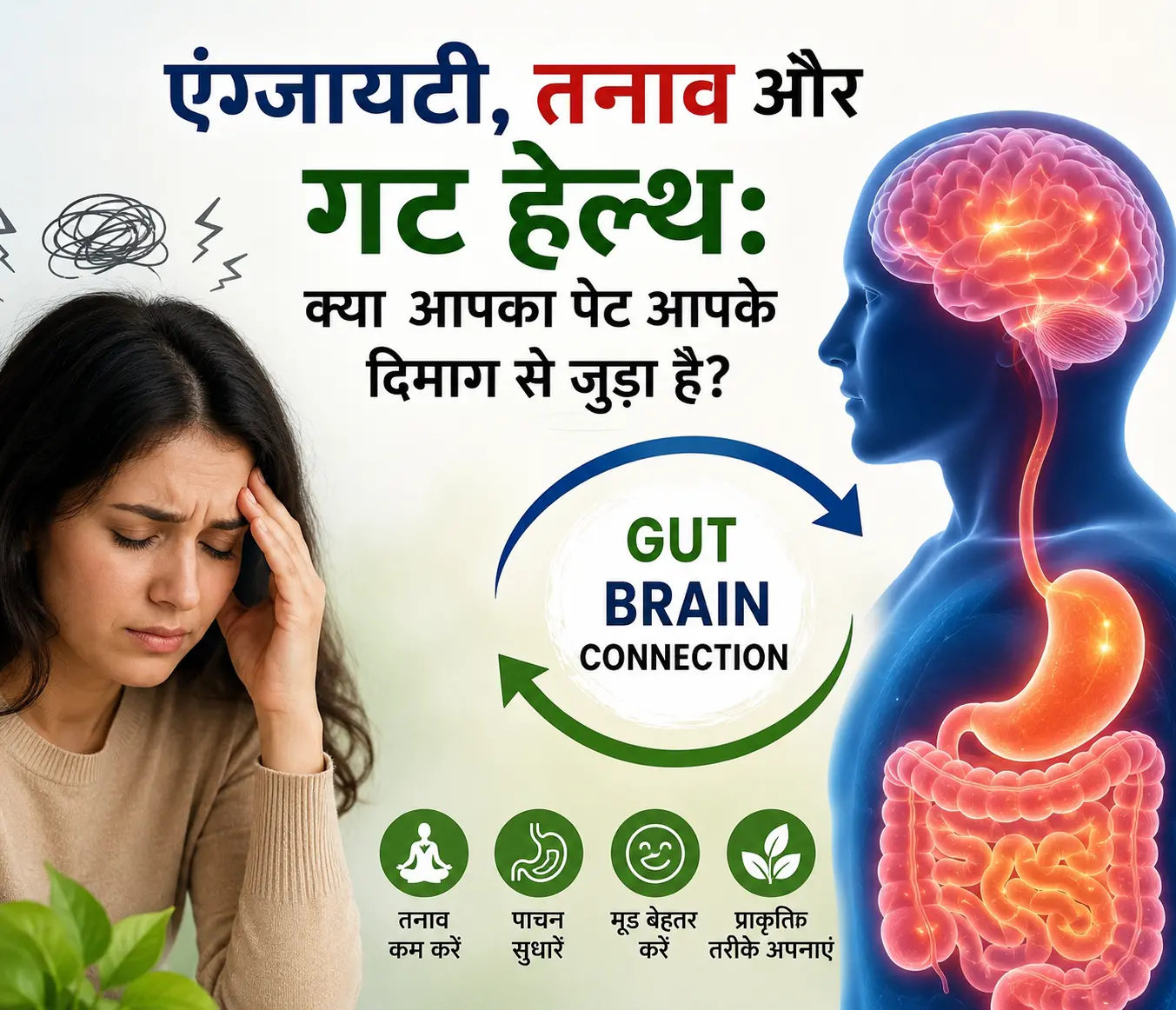
Modern medical research has highlighted the gut-liver axis as a major player in metabolic health. When the gut microbiome is disrupted (dysbiosis), harmful bacterial byproducts cross the intestinal barrier, triggering systemic inflammation that directly burdens the liver. As a natural probiotic food, curd helps restore microbial diversity, reinforcing the gut barrier and dampening the inflammatory signals reaching hepatic tissues [PubMed, 2021].
How Curd May Support Liver Wellness
While curd is not a standalone remedy or a miracle cure, integrating it thoughtfully can provide several supportive benefits:
1. Modulating Lipid Metabolism
Preliminary clinical observations indicate that regular consumption of fermented dairy containing active lactic acid bacteria can assist in maintaining healthy lipid profiles by helping to modulate total cholesterol, low-density lipoproteins (LDL), and triglycerides—critical parameters in managing hepatic fat accumulation [BMC Complementary Medicine and Therapies, 2020].
2. Reducing Systemic Inflammation
The antioxidants and bioactive peptides generated during the fermentation of milk help combat oxidative stress. By lowering gut-derived inflammation, curd indirectly eases the continuous cellular stress placed upon a fatty liver.
3. Aiding Digestion and Metabolic Fire (Agni)
In Ayurveda, fresh, properly prepared curd (Dadhi) is recognized for its sour taste (Amla Rasa) and heavy quality, which can pacify Vata dosha. However, classical texts like the Sushruta Samhita caution that improper use can aggravate Pitta and Kapha. When consumed fresh, churned into buttermilk (Takra), or balanced with digestive spices like roasted cumin, it stimulates Agni without overloading metabolic pathways.
Choosing and Using Curd Correctly
In my clinical work, I always emphasize that not all curd is created equal. If you are managing fatty liver, your selection and timing matter immensely:
-
Go for Homemade, Plain Curd: Avoid commercial, flavored, or pre-sweetened yogurts loaded with high-fructose corn syrup or artificial thickeners, which actively harm the liver.
-
Opt for Low-Fat or Toned Milk: If you are managing weight or insulin resistance, low-fat homemade curd limits excess saturated fat intake.
-
Mindful Timing: Enjoy curd during daytime meals—such as lunch, paired with wholesome grains and vegetables. Ayurveda generally advises against consuming curd at night, as heavy fermented foods after sunset can obstruct micro-channels (Srotas) and increase Kapha and Ama accumulation [Ashtanga Hridaya, Sutra Sthana, Chapter 6].
When Curd Might Not Be Suitable
Despite its nutritional value, curd requires caution for certain individuals:
-
Severe Acidity or Pitta Imbalance: Because curd is inherently heating (Ushna Virya) in its classical Ayurvedic classification after digestion (Vipaka), individuals suffering from acute acid reflux, ulcers, or severe inflammatory skin conditions should consume it sparingly or substitute it with fresh buttermilk (Takra).
-
Lactose Intolerance: Those with severe dairy sensitivities should avoid traditional curd to prevent gastrointestinal distress.
Comprehensive Lifestyle Support for Liver Health
Relying on a single dietary component will not reverse a sluggish liver. Lasting recovery requires a holistic paradigm shift:
-
Whole Food Nutrition: Prioritize high-fiber green vegetables, bitter gourds, healthy fats like omega-3 fatty acids, and clean proteins while eliminating refined flour and deep-fried foods.
-
Consistent Movement: Incorporate daily physical activity—such as brisk walking, swimming, or yoga asanas—to stimulate circulation and burn visceral fat.
-
Circadian Rhythm & Rest: Align your sleep-wake cycle with nature (Dinacharya), ensuring deep restorative rest so the liver can execute its nocturnal cellular repair cycle uninterrupted.
References & Further Reading:
-
Modern Medical References:
-
National Institutes of Health (NIH). (2023). Non-Alcoholic Fatty Liver Disease: Clinical Management and Pathogenesis. NIDDK Research Updates.
-
BMC Complementary Medicine and Therapies. (2020). Effects of probiotic yogurt on liver enzymes and metabolic parameters in patients with non-alcoholic fatty liver disease. PMCID: PMC7212450.
-
-
Classical Ayurvedic Texts & Books:
-
Charaka Samhita, Chikitsa Sthana, Chapter 15 (Grahani Dosha Chikitsa) - Detailed analysis of Agni, Ama, and dietary management of metabolic disorders.
-
Ashtanga Hridaya, Sutra Sthana, Chapter 6 (Dinacharya Adhyaya) - Classical guidelines on food combinations, timing, and the properties of dairy products like curd (Dadhi).
-
FAQs:
Q1: Can I eat curd daily if I have a fatty liver?
A1: Yes, in moderation. Plain, homemade, low-fat curd consumed during daytime hours can support gut health and metabolism, provided it aligns with your overall dietary plan.
Q2: Is it okay to eat curd at night with fatty liver?
A2: According to classical Ayurveda, consuming curd at night is generally discouraged because it is heavy to digest and can aggravate Kapha dosha and Ama (toxins) as metabolic fire slows down post-sunset.
Q3: Does store-bought flavored yogurt have the same benefits as homemade curd?
A3: No. Commercial flavored yogurts often contain high amounts of added sugars and artificial syrups, which increase triglycerides and place an unnecessary metabolic burden on the liver.
Q4: How does curd impact the gut-liver axis?
A4: Curd contains live probiotics that restore healthy gut microbiota, strengthen the intestinal barrier, and reduce systemic inflammation, which indirectly protects the liver from injury.
Q5: Should I consult a doctor before adding curd to a therapeutic diet?
A5: Yes. If you are managing chronic metabolic conditions, severe insulin resistance, or digestive disorders, consulting a qualified healthcare professional or Ayurvedic practitioner ensures your diet is tailored precisely to your body's needs.