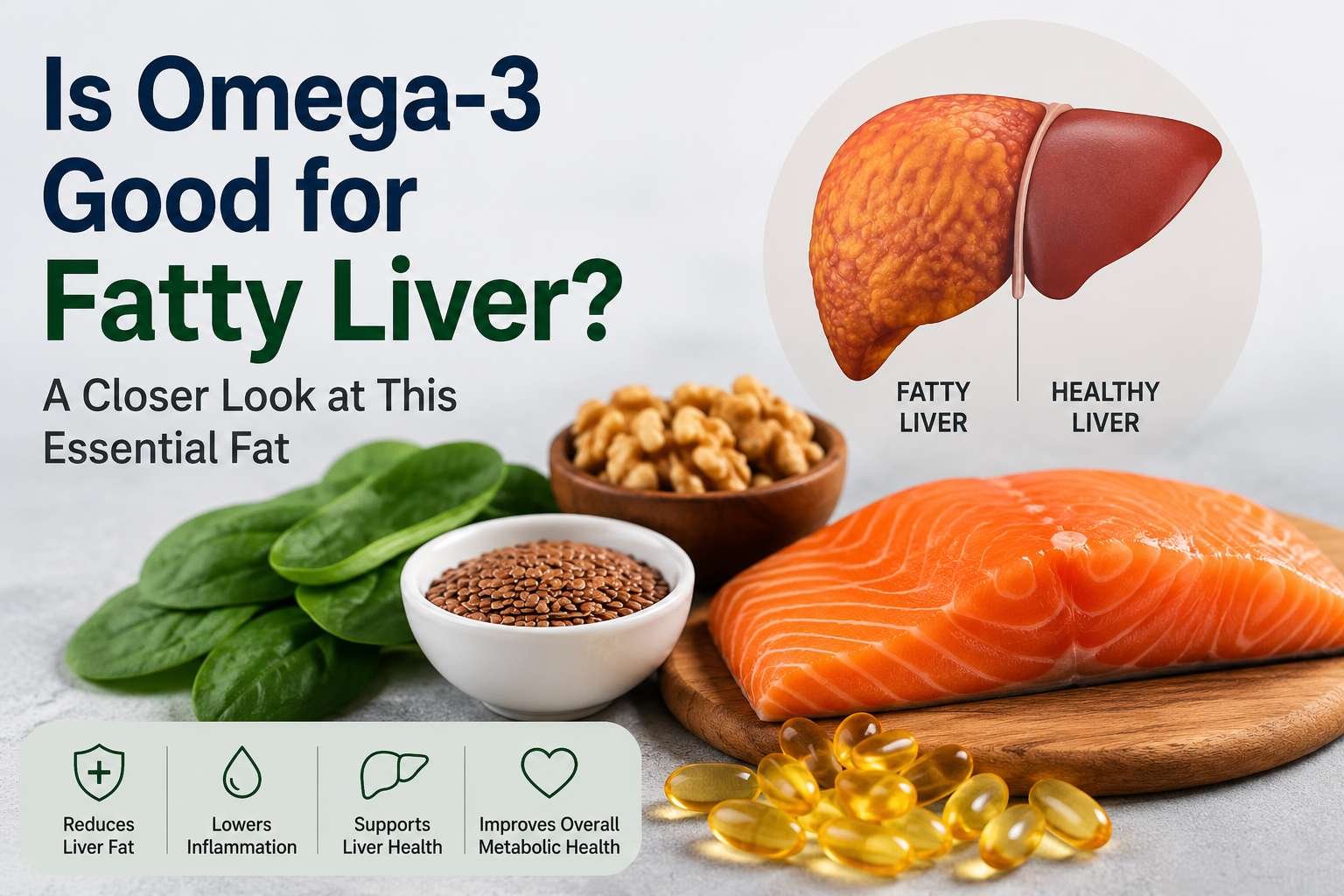
Is Omega-3 Good for Fatty Liver? Clinical Realities and Ayurvedic Wisdom
In my practice as an educator and wellness consultant, I frequently meet individuals who receive an unexpected diagnosis during routine health check-ups: hepatic steatosis, commonly known as fatty liver. Often entirely silent in its early stages, fatty liver occurs when excess fat droplets accumulate inside hepatocytes (liver cells) [NIH, 2023]. With modern lifestyles characterized by sedentary routines, high stress, and processed diets rich in refined sugars and trans fats, this metabolic condition has reached epidemic proportions globally.
When clients sit in front of me with their ultrasound reports, one of their most frequent questions is: "Should I take fish oil, or is changing my diet enough to clear the fat from my liver?" Because modern nutrition heavily emphasizes the role of essential fatty acids, this is a vital question to explore. Let us examine what modern clinical science and classical Ayurvedic wisdom say about incorporating healthy fats into a liver-supportive lifestyle.
Understanding Fatty Liver: Modern and Ayurvedic Lenses
From a modern clinical standpoint, non-alcoholic fatty liver disease (NAFLD) is deeply intertwined with metabolic dysfunction and insulin resistance. When cells stop responding effectively to insulin, free fatty acids flood the bloodstream and accumulate within the liver. Over time, oxidative stress and chronic low-grade inflammation can escalate simple steatosis into non-alcoholic steatohepatitis (NASH), fibrosis, or cirrhosis [NIH, 2023].
Viewing this through the classical lens of Ayurveda, the liver is revered as the primary seat of Ranjaka Pitta and the foundational site where Rasa and Rakta Dhatus (nutritive and blood tissues) are processed and refined. When our daily lifestyle (Vihara) and diet (Ahara) go out of balance—such as consuming heavy, oily, or incompatible foods while lacking adequate physical activity—our metabolic digestive fire (Agni) falters at the tissue level (Dhatvagni Mandya). According to the Charaka Samhita, this disruption causes the formation of Ama (metabolic toxins) and the vitiation of Kapha and Pitta doshas, which clog the subtle channels (Srotas) of the liver and manifest as sluggish metabolism, heaviness, and chronic fatigue [Charaka Samhita, Chikitsa Sthana, Chapter 15].
Medical Disclaimer: This article is for educational and informational purposes only and should not be construed as professional medical advice, diagnosis, or treatment. Always consult a qualified healthcare provider or Ayurvedic practitioner before making significant changes to your diet or health regimen.
Omega-3 Fatty Acids: A Nutritional and Metabolic Overview
Omega-3 fatty acids are essential polyunsaturated fats that the human body cannot synthesize on its own; they must be obtained through our diet or targeted supplementation. They comprise three primary forms:
-
EPA (Eicosapentaenoic Acid) & DHA (Docosahexaenoic Acid): Predominantly found in marine sources like fatty fish, krill, and algae oils, these active forms directly influence cellular membrane fluidity and inflammatory pathways.
-
ALA (Alpha-Linolenic Acid): Found in plant sources such as flaxseeds, chia seeds, and walnuts, which the body partially converts into EPA and DHA.
The Gut-Liver Connection and Metabolic Balance
Modern medical research highlights the gut-liver axis as a critical player in metabolic health. When the gut microbiome is disrupted (dysbiosis), harmful bacterial byproducts cross the intestinal barrier, triggering systemic inflammation that directly burdens the liver. Omega-3 fatty acids help modulate gut integrity and systemic inflammatory markers, easing the continuous cellular stress placed upon a fatty liver [PubMed, 2021].
How Omega-3s May Support Liver Wellness
While omega-3 fatty acids are not a standalone cure, integrating them thoughtfully can provide several supportive physiological benefits:
1. Reducing Hepatic Lipid Accumulation
Multiple clinical trials have demonstrated that targeted omega-3 supplementation can significantly reduce liver fat levels in individuals with NAFLD. EPA and DHA help downregulate genes responsible for de novo lipogenesis (fat creation) in the liver while enhancing lipid oxidation [Journal of Hepatology, 2019].
2. Improving Lipid Profiles and Triglycerides
Fatty liver is frequently accompanied by elevated serum triglycerides and low HDL ("good") cholesterol. Omega-3s effectively lower triglyceride synthesis in the liver, optimizing the overall lipid profile and reducing metabolic stress [Atherosclerosis, 2020].
3. Combating Oxidative Stress and Inflammation
Fatty liver is driven not just by fat accumulation, but by persistent cellular inflammation that can trigger fibrosis. Omega-3s serve as precursors to specialized pro-resolving mediators (SPMs) that calm immune overactivity and protect liver architecture from ongoing oxidative damage.
4. Supporting Insulin Sensitivity
Insulin resistance is a primary driver of NAFLD. Clinical data shows that omega-3 fatty acids improve cellular insulin sensitivity, helping peripheral tissues process glucose more efficiently and reducing the flood of free fatty acids to the liver [Nutrients, 2021].
The Ayurvedic Parallel: Sneha and Deepana
In classical Ayurveda, healthy fats (Sneha) are categorized under oils and ghritas that, when chosen correctly, can help pacify aggravated Vata and clear blocked Srotas (channels). While marine oils are modern additions, the principle of utilizing specific, unctuous, yet balancing substances to restore Agni aligns with using therapeutic fats to counteract heavy, stagnant Kapha accumulations in the liver.
Best Dietary Sources of Omega-3
To incorporate these essential fats safely, consider a balanced intake from both animal and plant origins:
-
Marine-Based Sources (High in EPA & DHA):
-
Wild-caught fatty fish such as salmon, mackerel, sardines, and anchovies.
-
High-quality, third-party-tested fish oil or algal oil supplements.
-
-
Plant-Based Sources (High in ALA):
-
Ground flaxseeds and flaxseed oil.
-
Chia seeds and hemp seeds.
-
Walnuts.
-
Note: Because the human body converts only a small percentage of plant-based ALA into active EPA and DHA, individuals managing specific liver concerns often benefit from marine sources or algae-derived supplements under professional guidance.
-
Practical Guidelines: How to Use Omega-3 Wisely
If you are incorporating omega-3s into a fatty liver management plan, keep these practical points in mind:
-
Therapeutic Dosages: While 250–500 mg of combined EPA/DHA supports general health, therapeutic protocols for elevated triglycerides or NAFLD often range from 1,000 to 2,000 mg daily, overseen by a physician.
-
Quality and Purity: Always select reputable, molecularly distilled supplements tested for heavy metals and purity.
-
Balanced Lifestyle Integration: Combine omega-3 intake with a whole-food, fiber-rich diet, eliminating refined sugars, trans fats, and excess industrial seed oils that provoke hepatic inflammation.
When to Exercise Caution
While omega-3s are generally safe, certain precautions apply:
-
Bleeding Disorders or Medications: Individuals taking anticoagulant or antiplatelet medications should consult their doctor, as high-dose omega-3s can possess mild blood-thinning properties.
-
Gastrointestinal Sensitivity: Mild side effects like acid reflux, minor burping, or a fishy aftertaste can occur; taking supplements with meals or choosing enteric-coated capsules often helps.
Comprehensive Lifestyle Support for Liver Health
Relying solely on a supplement will not reverse a sluggish liver. Lasting recovery requires a holistic lifestyle framework:
-
Whole Food Nutrition: Prioritize green leafy vegetables, bitter vegetables, lean proteins, and clean hydration while avoiding processed foods.
-
Consistent Movement: Engage in regular physical activity—such as brisk walking, yoga, or swimming—to stimulate circulation and reduce visceral fat.
-
Circadian Alignment: Align your sleep-wake cycle with nature (Dinacharya), ensuring deep restorative rest so the liver can execute its nocturnal cellular repair cycle uninterrupted.
References & Further Reading:
-
Modern Medical References:
-
National Institutes of Health (NIH). (2023). Non-Alcoholic Fatty Liver Disease: Clinical Management and Pathogenesis. NIDDK Research Updates.
-
Journal of Hepatology. (2019). Effects of Omega-3 Fatty Acids on Non-Alcoholic Fatty Liver Disease: A Systematic Review and Meta-Analysis. DOI: 10.1016/j.jhep.2019.03.012.
-
Nutrients. (2021). Role of Omega-3 Fatty Acids in Non-Alcoholic Fatty Liver Disease. PMCID: PMC8069415.
-
-
Classical Ayurvedic Texts & Books:
-
Charaka Samhita, Chikitsa Sthana, Chapter 15 (Grahani Dosha Chikitsa) - Detailed analysis of Agni, Ama, and metabolic disorders.
-
Ashtanga Hridaya, Sutra Sthana, Chapter 6 (Dinacharya Adhyaya) - Classical guidelines on daily routines, balanced nutrition, and tissue nourishment.
-
FAQs:
Q1: Can omega-3 fatty acids completely reverse fatty liver disease?
A1: While omega-3s significantly reduce liver fat, lower triglycerides, and calm inflammation, they work best as part of a comprehensive lifestyle strategy that includes diet, exercise, and medical oversight.
Q2: Are plant-based omega-3s (ALA) as effective for liver health as fish oil (EPA/DHA)?
A2: Plant-based ALA sources like flaxseeds and walnuts are beneficial for overall health, but the body converts them inefficiently into EPA and DHA. For targeted liver support, marine or algae-derived EPA and DHA are generally more potent.
Q3: How much omega-3 should I take daily if I have NAFLD?
A3: General wellness doses range from 250–500 mg, but therapeutic doses for elevated triglycerides or fatty liver often range from 1,000 to 2,000 mg daily under medical supervision.
Q4: Can omega-3 supplements cause any side effects?
A4: Some individuals experience mild digestive upset, burping, or a fishy aftertaste. Choosing high-quality, enteric-coated, or molecularly distilled supplements usually minimizes these effects.
Q5: Should I consult a doctor before starting omega-3 supplements?
A5: Yes, especially if you take blood-thinning medications, have bleeding disorders, or are managing chronic metabolic conditions, to ensure proper dosing and safety.