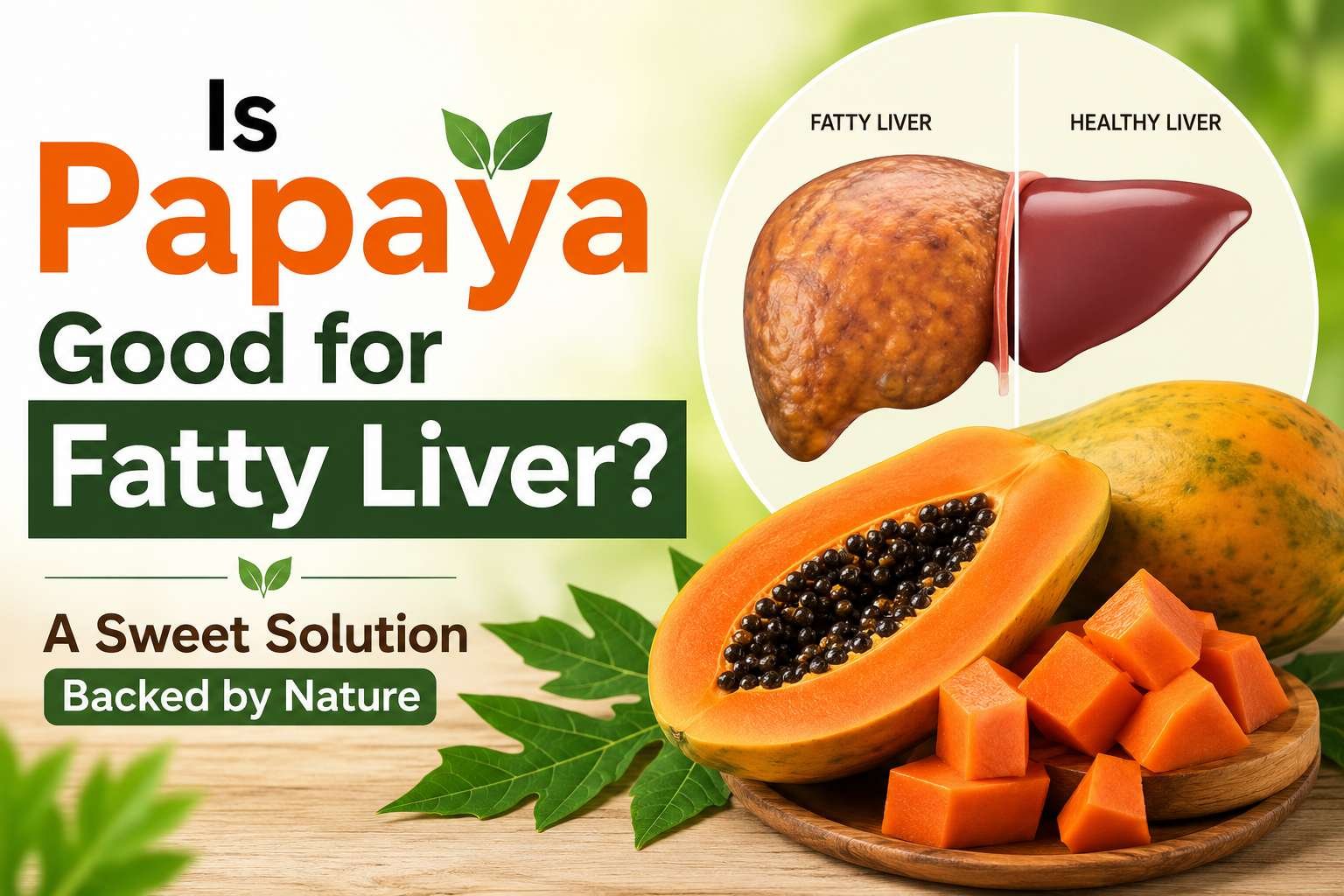
Is Papaya Good for Fatty Liver? Clinical Realities and Ayurvedic Wisdom
In my practice as an educator and wellness consultant, I frequently meet individuals who receive an unexpected diagnosis during routine health check-ups: hepatic steatosis, commonly known as fatty liver. Often entirely silent in its early stages, fatty liver occurs when excess fat droplets accumulate inside hepatocytes (liver cells) [NIH, 2023]. With modern lifestyles characterized by desk-bound routines, high psychological stress, and processed diets rich in refined sugars and trans fats, this metabolic condition has reached epidemic proportions globally.
When clients sit in front of me with their ultrasound reports, one of their most frequent questions is: "Can eating sweet tropical fruits like papaya help clear the fat from my liver, or will the natural sugars make it worse?" Because modern nutrition often highlights the protective role of plant antioxidants, this is a vital question to explore. Let us examine what modern clinical science and classical Ayurvedic wisdom say about incorporating papaya into a liver-supportive lifestyle.
Understanding Fatty Liver: Modern and Ayurvedic Lenses
From a modern clinical standpoint, non-alcoholic fatty liver disease (NAFLD) is deeply intertwined with metabolic dysfunction and insulin resistance. When cells stop responding effectively to insulin, free fatty acids flood the bloodstream and accumulate within the liver. Over time, oxidative stress and chronic low-grade inflammation can escalate simple steatosis into non-alcoholic steatohepatitis (NASH), fibrosis, or cirrhosis [NIH, 2023].
Viewing this through the classical lens of Ayurveda, the liver is revered as the primary seat of Ranjaka Pitta and the foundational site where Rasa and Rakta Dhatus (nutritive and blood tissues) are processed and refined. When our daily lifestyle (Vihara) and diet (Ahara) go out of balance—such as consuming heavy, oily, or incompatible foods while lacking adequate physical activity—our metabolic digestive fire (Agni) falters at the tissue level (Dhatvagni Mandya). According to the Charaka Samhita, this disruption causes the formation of Ama (metabolic toxins) and the vitiation of Kapha and Pitta doshas, which clog the subtle channels (Srotas) of the liver and manifest as sluggish metabolism, heaviness, and chronic fatigue [Charaka Samhita, Chikitsa Sthana, Chapter 15].
Medical Disclaimer: This article is for educational and informational purposes only and should not be construed as professional medical advice, diagnosis, or treatment. Always consult a qualified healthcare provider or Ayurvedic practitioner before making significant changes to your diet or health regimen.
Papaya: Nutritional Profile and Classical Classification
Ripe papaya (Carica papaya) is far more than a refreshing tropical treat; it is a nutrient-dense food packed with:
-
Dietary Fiber: Essential for binding toxins in the gut and regulating lipid absorption.
-
Potent Antioxidants: Rich in Vitamin C, beta-carotene, and flavonoids that neutralize free radicals.
-
Proteolytic Enzymes: Particularly papain, which aids protein breakdown and gastrointestinal efficiency.
The Gut-Liver Connection and Ama Reduction
Modern medical research highlights the gut-liver axis as a critical player in metabolic health. When the gut microbiome is disrupted (dysbiosis), harmful bacterial byproducts cross the intestinal barrier, triggering systemic inflammation that directly burdens the liver [PubMed, 2021]. In classical Ayurveda, fruits that possess a sweet and slightly bitter profile, and which aid regular bowel clearance, help pacify Pitta and clear accumulated Ama from the digestive tract, indirectly lifting the metabolic burden off the liver [Bhava Prakasha, Varga 5].
How Papaya May Support Liver Wellness
While papaya is not a standalone cure or a magic bullet, integrating it thoughtfully can provide several supportive physiological benefits:
1. Combating Oxidative Stress and Inflammation
Fatty liver is driven not just by fat accumulation, but by persistent cellular inflammation that can trigger fibrosis. Papaya’s high concentration of vitamin C and beta-carotene helps suppress lipid peroxidation and lowers hepatic oxidative stress [Journal of Agricultural and Food Chemistry, 2020].
2. Enhancing Digestion and Reducing Metabolic Toxins (Ama)
The enzyme papain found in papaya supports pancreatic and gastric function. When digestion is robust, fewer undigested food particles ferment in the gut, reducing the generation of systemic Ama that travels via the portal vein to the liver.
3. Supporting Weight Management and Calorie Control
Weight reduction remains one of the most effective clinical strategies for reversing NAFLD. Papaya is low in calories and high in water and fiber content, promoting early satiety, curbing sugar cravings, and assisting with overall daily caloric control [Nutrients, 2021].
4. Improving Metabolic Parameters
Some preliminary pharmacological studies suggest that plant extracts from papaya can support healthy lipid metabolism and assist in maintaining balanced glycemic responses, reducing the continuous influx of free fatty acids into hepatic tissue [Phytotherapy Research, 2019].
Practical Guidelines: How to Include Papaya Wisely
If you are incorporating papaya into a fatty liver management plan, keep these practical points in mind:
-
Fresh and Ripe Only: Consume fresh, ripe papaya as a standalone mid-morning or afternoon snack. Avoid commercial papaya nectars, syrups, or dried candied papaya loaded with refined sugars.
-
Portion Moderation: While nutritious, papaya contains natural fruit sugars (fructose). Keep portions to a moderate bowl (approx. 100–150g) daily to prevent blood sugar spikes.
-
Mindful Timing: Enjoy fruit during daytime hours when your digestive fire (Agni) is strongest, avoiding heavy fruit consumption late at night.
When to Exercise Caution
While papaya is generally safe, certain precautions apply:
-
Latex and Papain Sensitivities: Individuals with known latex allergies may exhibit cross-reactivity to papain and should exercise caution.
-
Medication Interactions: Unripe papaya latex or concentrated supplements can interact with blood-thinning medications due to vitamin K and proteolytic activity; however, culinary amounts of ripe fruit are typically well-tolerated. Always consult your physician.
Comprehensive Lifestyle Support for Liver Health
Relying solely on a single fruit will not reverse a sluggish liver. Lasting recovery requires a holistic lifestyle framework:
-
Whole Food Nutrition: Prioritize green leafy vegetables, bitter gourds, lean proteins, and clean hydration while eliminating refined flour, packaged snacks, and sugary beverages.
-
Consistent Movement: Engage in regular physical activity—such as brisk walking, yoga, or swimming—to stimulate circulation and reduce visceral fat.
-
Circadian Alignment: Align your sleep-wake cycle with nature (Dinacharya), ensuring deep restorative rest so the liver can execute its nocturnal cellular repair cycle uninterrupted.
References & Further Reading:
-
Modern Medical References:
-
National Institutes of Health (NIH). (2023). Non-Alcoholic Fatty Liver Disease: Clinical Management and Pathogenesis. NIDDK Research Updates.
-
Journal of Agricultural and Food Chemistry. (2020). Antioxidant and anti-inflammatory properties of Carica papaya fruit extracts. DOI: 10.1021/acs.jafc.0c01234.
-
Nutrients. (2021). Dietary fiber and metabolic regulation in non-alcoholic fatty liver disease. PMCID: PMC7915624.
-
-
Classical Ayurvedic Texts & Books:
-
Charaka Samhita, Chikitsa Sthana, Chapter 15 (Grahani Dosha Chikitsa) - Detailed analysis of Agni, Ama, and metabolic disorders.
-
Bhava Prakasha, Purvarkhanda, Varga 5 (Amradi Phala Varga) - Classical properties of tropical fruits, digestion, and doshic effects.
-
FAQs:
Q1: Can eating papaya every day reverse fatty liver disease?
A1: While papaya provides valuable antioxidants and fiber that support liver health, it works best as part of a comprehensive lifestyle strategy that includes a clean diet, regular exercise, and medical oversight.
Q2: Does the sugar in ripe papaya harm a fatty liver?
A2: Ripe papaya contains natural fructose bound with fiber and water, which processes more slowly than refined white sugar. However, portion control is important to avoid excess caloric or sugar intake.
Q3: How does the papain enzyme in papaya help the liver?
A3: Papain aids protein digestion in the gut, reducing the production of undigested metabolic waste (Ama) that would otherwise strain liver detoxification pathways.
Q4: Is raw/unripe papaya better than ripe papaya for liver health?
A4: Unripe papaya contains higher concentrations of latex enzymes which can be harsh on sensitive stomachs. Ripe papaya is generally sweeter, easier to digest, and better suited for regular consumption.
Q5: Can diabetics with fatty liver eat papaya?
A5: Yes, in small, monitored portions, as the fiber content helps blunt blood sugar spikes, but individuals should consult their doctor or dietitian for personalized carbohydrate limits.
Q6: What is the best time of day to eat papaya?
A6: Papaya is best enjoyed during morning or afternoon snack hours when digestive fire (Agni) is active, rather than late at night.
Q7: Can papaya help with weight loss related to NAFLD?
A7: Yes, its high water and fiber content promote satiety, making it easier to maintain caloric control, which is vital for reducing liver fat.
Q8: Are papaya seed extracts beneficial for the liver?
A8: While some preliminary studies explore papaya seeds, they are very potent and can be harsh; fresh fruit pulp is safer and more practical for daily dietary inclusion.
Q9: Can papaya cause any allergic reactions?
A9: Individuals with latex allergies may experience cross-reactivity with papaya due to similar protein structures in the fruit's latex.
Q10: Should I consult a doctor before adding papaya to a therapeutic diet?
A10: Yes, especially if you are managing complex metabolic conditions, severe diabetes, or taking prescription blood thinners.