Can Apple Cider Vinegar Support Fatty Liver Management? A Clinical and Ayurvedic Perspective
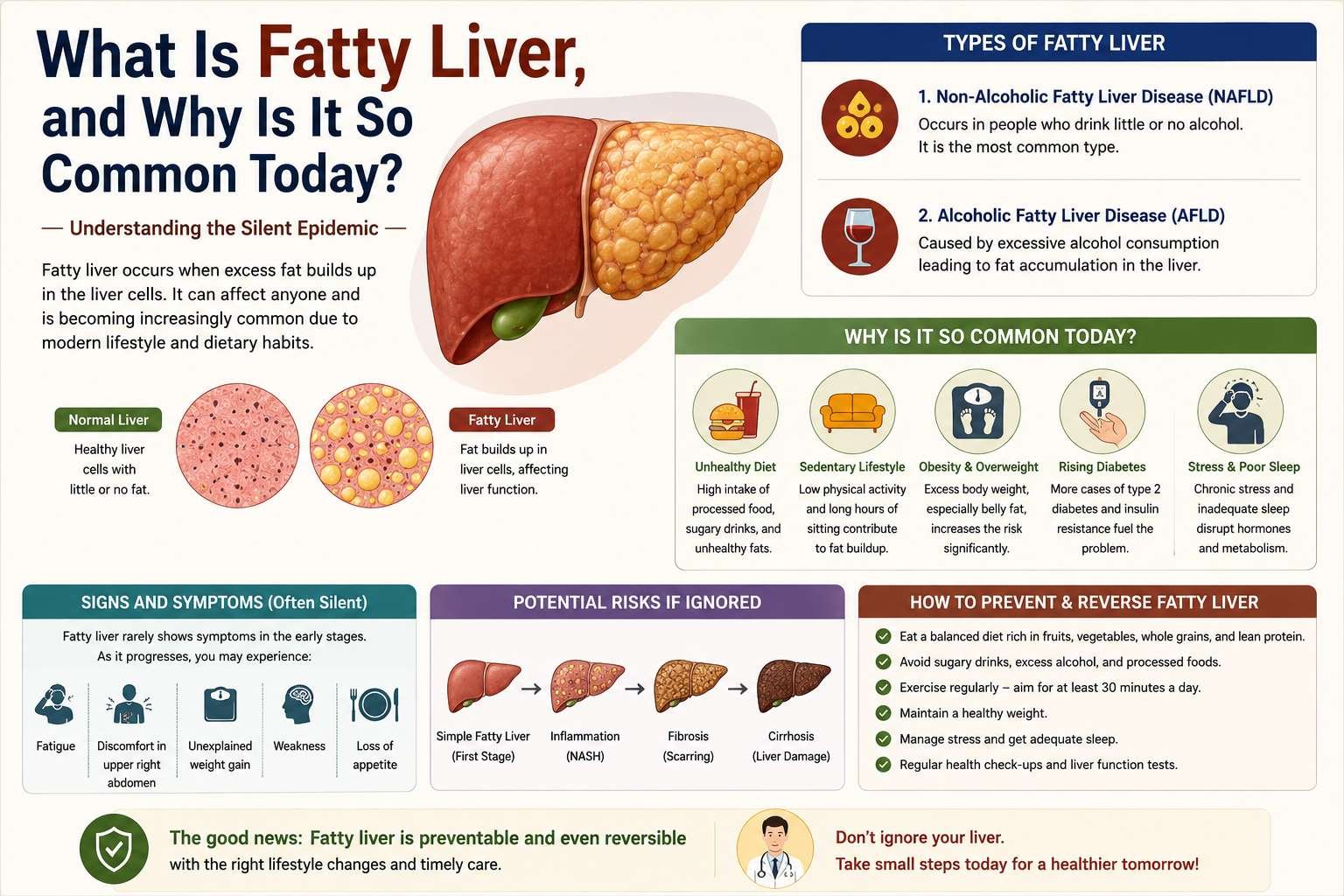
In my practice, I frequently encounter individuals who feel overwhelmed by routine ultrasound reports showing a quiet, hidden condition: hepatic steatosis, commonly known as fatty liver. Often discovered incidentally during regular health check-ups, fatty liver occurs when excess fat accumulates within liver cells. With modern diets heavily laden with refined sugars, trans fats, and ultra-processed foods, this condition has surged globally.
There are two primary classifications: Alcoholic Fatty Liver Disease (AFLD), driven by excessive alcohol consumption, and Non-Alcoholic Fatty Liver Disease (NAFLD), which is deeply linked to insulin resistance, metabolic syndrome, and poor dietary habits. While NAFLD often whispers silently in its early stages, ignoring it can pave the way for chronic inflammation, fibrosis, and advanced liver injury [NIH, 2023].
Amid the search for accessible, natural ways to support health, apple cider vinegar (ACV) has captured widespread attention. But does it truly help, and how should it be used safely? Let us examine what modern clinical science and classical Ayurveda say about this popular household staple.
Understanding Fatty Liver: Modern and Ayurvedic Lenses
From a modern medical standpoint, NAFLD is intimately tied to metabolic dysfunction. When cells stop responding effectively to insulin, the pancreas floods the bloodstream with more insulin, driving excess free fatty acids directly to the liver. Over time, oxidative stress and chronic low-grade inflammation cause cellular damage.
Looking through the classical lens of Ayurveda, the liver is regarded as the seat of Ranjaka Pitta and the main hub for processing Rasa and Rakta Dhatus (nutritive and blood tissues). When our dietary habits (Ahara) and daily routines (Vihara) are disordered—such as eating heavy, oily foods while sedentary—our metabolic fire (Agni) becomes impaired at the tissue level (Dhatvagni Mandya). This leads to the accumulation of Ama (metabolic toxins) and the stagnation of Kapha and Pitta doshas within the liver channels (Srotas), manifesting as heaviness, fatigue, and sluggish metabolism.
Medical Disclaimer: This article is for educational and informational purposes only and should not be construed as medical advice, diagnosis, or treatment. Always consult a qualified healthcare provider or Ayurvedic practitioner before starting any supplement or making significant changes to your health regimen.
How Apple Cider Vinegar May Support Liver Wellness
While ACV is not a standalone remedy, modern research suggests several ways it may support metabolic health, which indirectly benefits the liver:
1. Supporting Insulin Sensitivity
Insulin resistance is a primary engine driving fat accumulation in the liver. Clinical studies indicate that the acetic acid present in ACV may help lower postprandial blood glucose levels and improve insulin sensitivity [PubMed, 2021]. When cellular glucose uptake improves, the metabolic burden on the liver decreases.
2. Modulating Lipid Profiles
Animal and preliminary human studies suggest that ACV may assist in maintaining healthy lipid panels by helping to modulate total cholesterol, low-density lipoproteins (LDL), and triglycerides, which are critical components in managing hepatic fat deposits [BMC Complementary Medicine and Therapies, 2020].
3. Anti-Inflammatory and Antioxidant Support
Chronic inflammation accelerates liver fibrosis. Raw, unfiltered apple cider vinegar retains "the mother," which contains bioactive components, polyphenols, and acetic acid that exhibit antioxidant properties, helping to mitigate oxidative stress.
4. Aiding Sustainable Weight Loss
Abdominal adiposity is closely linked to NAFLD. Clinical observations suggest that daily intake of diluted ACV can enhance feelings of fullness (satiety) and support modest weight management [Bioscience, Biotechnology, and Biochemistry, 2018]. In modern hepatology, losing just 5% to 10% of total body weight can dramatically reduce liver fat and improve enzymatic function.
Practical Ways to Use Apple Cider Vinegar Safely
In my clinical experience, introducing ACV requires caution, as its high acidity can cause adverse effects if misused. Follow these structured guidelines:
-
Start Low: Begin with just 1 teaspoon of raw, unfiltered ACV mixed thoroughly in a large glass of warm water before a meal.
-
Gradual Progression: Over a week or two, you may gradually increase to 1 to 2 tablespoons per day, split into two separate doses.
-
Never Drink It Undiluted: Concentrated acetic acid can erode tooth enamel and severely irritate the esophageal lining and stomach mucosa. Always dilute it amply.
-
Daily Cap: Never exceed 2 tablespoons per day without professional medical supervision.
When Apple Cider Vinegar Might Not Be Suitable
Despite its potential, ACV is not appropriate for everyone. Exercise caution or avoid its use if:
-
You suffer from chronic acid reflux, gastritis, or peptic ulcers, as acidity can aggravate symptoms.
-
You take medications for blood sugar management, as ACV may amplify their glucose-lowering effects.
-
You experience low potassium levels (hypokalemia), which high amounts of vinegar can potentially worsen.
Always speak with your treating physician before introducing herbal supplements, especially when managing chronic metabolic conditions.
Comprehensive Lifestyle Measures for Liver Support
ACV alone cannot reverse metabolic stagnation. For true healing, integrate these supportive lifestyle habits:
-
Dietary Alignment: Focus on whole, fiber-rich foods, fresh vegetables, healthy fats (like omega-3 fatty acids), and minimize refined sugars and fried foods.
-
Daily Movement: Regular physical activity—such as brisk walking, yoga, or swimming—enhances insulin sensitivity and encourages lipid burning.
-
Digestive Rest: Practice mindful eating, ensuring you give your digestive fire adequate time between meals by avoiding late-night snacking.
-
Restorative Sleep: Prioritize consistent circadian rhythms, as poor sleep disrupts metabolic regulation and liver repair.
References & Further Reading:
-
Modern Medical References:
-
National Institutes of Health (NIH). (2023). Non-Alcoholic Fatty Liver Disease (NAFLD) and Metabolic Health Guidelines. NIDDK Clinical Updates.
-
Bioscience, Biotechnology, and Biochemistry. (2018). * Vinegar intake reduces body weight, body fat mass, and serum triglyceride levels in obese Japanese subjects*. Vol. 73, Issue 8.
-
-
Classical Ayurvedic Texts & Books:
-
Charaka Samhita, Chikitsa Sthana, Chapter 15 (Grahani Dosha Chikitsa) - On the management of impaired Agni and metabolic stagnation.
-
Ashtanga Hridaya, Sutra Sthana, Chapter 8 (Dravya Dravaniya Adhyaya) - Classical properties of sour tastes, liquids, and their physiological impacts.
-
Frequently Asked Questions