Can Masturbation Cause Premature Ejaculation? Facts, Causes, Control Tips and Ayurvedic Perspective
Quick Summary: Key Takeaways
-
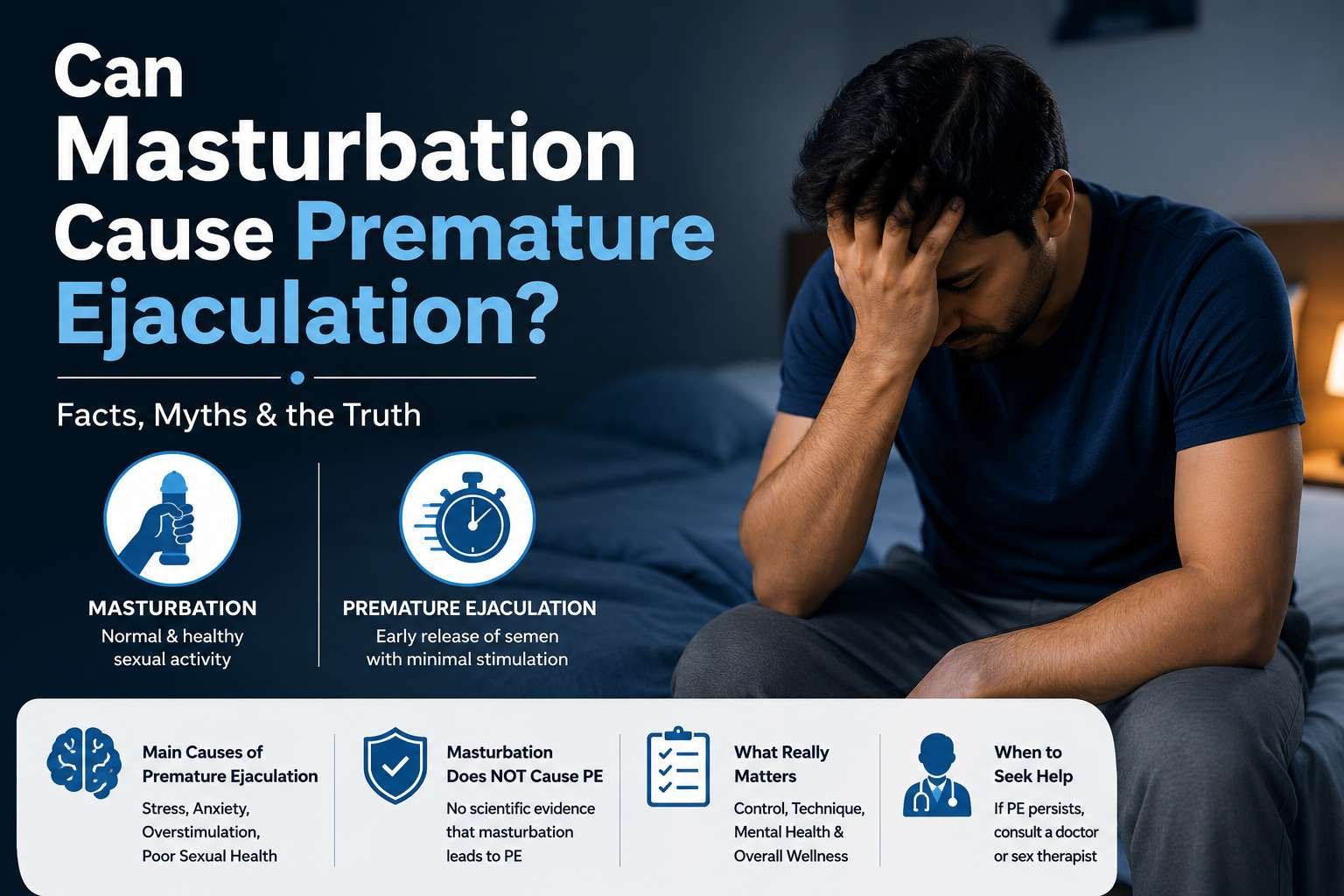
Masturbation itself is not medically recognised as a direct cause of premature ejaculation (PE).
-
Certain learned habits—such as consistently rushing to climax—may influence arousal awareness and sexual control in some individuals.
-
Premature ejaculation can also be linked with anxiety, relationship concerns, erectile difficulties, pelvic factors and other health conditions.
-
Behavioural techniques, pelvic-floor training, stress management and professional medical guidance may help improve ejaculatory control.
Premature Ejaculation and Masturbation: Understanding a Common Concern
Many men who experience premature ejaculation wonder whether masturbation is responsible. This question can create unnecessary guilt, especially because sexual health is often surrounded by myths and incomplete information.
The most important point is this: masturbation is generally considered a normal sexual behaviour and, by itself, is not known to directly cause premature ejaculation.
However, sexual habits can sometimes influence how a person experiences arousal. For example, someone who has repeatedly trained themselves to reach orgasm as quickly as possible may become less familiar with recognising the gradual build-up of arousal. That does not mean masturbation has "damaged" the body or permanently caused PE. Sexual responses can be influenced by many physical, psychological and behavioural factors, and they can often improve with appropriate guidance.
This article explains the relationship between masturbation and premature ejaculation, common causes of PE, practical approaches to improving control, and an Ayurvedic perspective on supporting overall sexual wellness.
What Is Premature Ejaculation?
Premature ejaculation is a pattern in which ejaculation happens sooner than a person wants during sexual activity, accompanied by difficulty delaying ejaculation and personal distress. It is not simply about lasting for a specific number of minutes.
Clinical definitions vary depending on whether the condition has been present throughout a person's sexual life or developed later. A healthcare professional usually considers several factors, including:
-
How consistently ejaculation occurs earlier than desired
-
Whether there is difficulty delaying ejaculation
-
Whether the situation causes distress, frustration or relationship difficulties
-
Whether the concern is lifelong or has developed recently
Lifelong and Acquired Premature Ejaculation
Premature ejaculation is commonly discussed in two broad forms.
Lifelong PE:
The person has experienced difficulty with ejaculatory control since their earliest sexual experiences.
Acquired PE:
The difficulty develops after a period of previously satisfactory sexual function. In such cases, it may be important to look for contributing factors such as anxiety, relationship difficulties, erectile problems or certain medical conditions.
One isolated experience of ejaculating quickly does not necessarily mean someone has premature ejaculation. Sexual performance can vary because of excitement, stress, fatigue, time since the last ejaculation and many other factors.
Can Masturbation Cause Premature Ejaculation?
No. Masturbation itself is not considered a direct medical cause of premature ejaculation. However, repeatedly practising sexual stimulation in a rushed or highly conditioned way may influence arousal patterns and awareness of approaching orgasm in some individuals.
The important distinction is between masturbation as a normal activity and specific habits that may reinforce a particular sexual response.
There is also no reliable basis for claims that masturbation permanently weakens the body, causes irreversible sexual damage or automatically leads to loss of sexual stamina. Such claims can create unnecessary fear and shame.
Premature ejaculation is usually more complex. It may involve a combination of psychological, behavioural, relationship-related and biological influences.
How Can Masturbation Habits Affect Ejaculatory Control?
1. Repeatedly Rushing to Climax
Some people masturbate quickly because they have limited privacy or feel pressured to finish fast. If this pattern happens repeatedly, the person may spend less time noticing the stages of increasing arousal.
Over time, this can potentially create a learned pattern of moving quickly from stimulation to orgasm.
A helpful goal is not to force oneself to last for a particular amount of time. Instead, the focus should be on learning to recognise changes in arousal and becoming more aware of the point at which ejaculation feels increasingly difficult to delay.
2. Limited Awareness of the Arousal Cycle
Sexual arousal usually develops gradually. Many people can learn to recognise different levels of excitement rather than noticing arousal only when orgasm is imminent.
Someone who always masturbates rapidly may have fewer opportunities to identify earlier signals such as:
-
Increasing muscular tension
-
Faster breathing
-
A growing sense of urgency
-
Increased sensitivity
-
The feeling of approaching the point of ejaculation
Learning to recognise these signals may support better sexual awareness.
3. Psychological Expectations and Performance Anxiety
The relationship between masturbation and PE is often psychological rather than purely physical.
For example, a person may begin to believe that a normal sexual habit has "caused damage." This belief can increase anxiety during sex. Anxiety can make it harder to relax and may intensify attention on performance.
The cycle may look like this:
-
A person ejaculates sooner than expected.
-
They become worried about it happening again.
-
During the next sexual encounter, they closely monitor their performance.
-
Anxiety increases physical arousal and tension.
-
The fear of ejaculating quickly may itself make control more difficult.
Breaking this cycle often requires reducing shame and developing a healthier understanding of sexual function.
4. Differences Between Solo and Partnered Sexual Stimulation
Masturbation and partnered sex are not identical experiences. Physical sensations, emotional context, expectations and levels of stimulation can all differ.
Therefore, a person's masturbation habits do not automatically predict their performance with a partner. Someone may have complete control during masturbation and experience difficulty during intercourse—or the reverse.
Is Frequent Masturbation the Cause of Premature Ejaculation?
Frequency alone is not a proven cause of premature ejaculation. Sexual response varies from person to person, and there is no universal "correct" number of times a person can masturbate without affecting sexual health.
A person's frequency may become relevant only if it is associated with:
-
Physical discomfort or irritation
-
Interference with daily responsibilities
-
Compulsive behaviour
-
Increased anxiety or guilt
-
A consistently rushed pattern of stimulation
Instead of focusing only on how often masturbation occurs, it is usually more useful to consider the overall pattern of sexual health and wellbeing.
Common Causes of Premature Ejaculation
Premature ejaculation rarely has one simple explanation.
Psychological and Emotional Factors
These may include:
-
Performance anxiety
-
Fear of disappointing a partner
-
Stress
-
Relationship difficulties
-
Depression or emotional distress
-
Lack of sexual confidence
-
Previous negative sexual experiences
These factors do not mean that the problem is "all in the mind." Psychological and physical sexual responses are closely connected.
Sexual and Relationship Factors
Some people experience rapid ejaculation during particular situations, such as:
-
A new relationship
-
Long periods without sexual activity
-
Very high excitement
-
Limited sexual experience
-
Relationship tension
Understanding the circumstances in which PE occurs can provide useful clues.
Physical or Medical Factors
Acquired premature ejaculation may sometimes be associated with other health issues. A clinician may consider conditions or factors such as:
-
Erectile dysfunction
-
Prostate or urinary symptoms
-
Thyroid disorders
-
Certain neurological or hormonal factors
-
Medication-related changes
A medical assessment is particularly important if premature ejaculation develops suddenly after a period of normal sexual function.
Can Masturbation Be Used to Improve Ejaculatory Control?
For some men, mindful solo practice can help them become more aware of arousal and learn behavioural techniques for delaying ejaculation. However, results vary, and masturbation is not a guaranteed treatment for clinically significant premature ejaculation.
The goal should be awareness and control, not forcing or suppressing sexual responses.
Stop-Start Technique
This technique involves stopping stimulation when arousal becomes very intense and allowing the level of excitement to decrease before resuming.
The purpose is to develop awareness of the transition between moderate arousal and the point at which ejaculation becomes difficult to delay.
A gradual approach is generally more comfortable than repeatedly pushing the body to the point of frustration.
Slower, More Mindful Stimulation
Some people benefit from slowing down rather than treating sexual activity as a race toward orgasm.
Mindful awareness may include paying attention to:
-
Breathing
-
Muscle tension
-
Overall arousal level
-
Changes in sensitivity
-
The urge to climax
Pelvic-Floor Awareness and Exercise
The pelvic-floor muscles play a role in sexual function. Some people may benefit from guidance on pelvic-floor exercises, while others may already have excessive pelvic tension.
This is important because more tightening is not always better. If there is chronic pelvic tension, pain or discomfort, professional assessment may be more appropriate than unsupervised exercise.
A pelvic-health physiotherapist or qualified healthcare professional can provide individual guidance when needed.
The Ayurvedic Perspective on Sexual Health and Ejaculatory Control
Ayurveda traditionally views sexual wellbeing as part of overall vitality rather than as an isolated issue. Classical Ayurvedic care focuses on balanced lifestyle, nourishment, sleep, mental calmness and individual constitution.
In Ayurvedic thought, sexual vitality is often discussed in relation to Shukra dhatu, while stress, excessive exertion and poor lifestyle habits may affect overall balance.
From an Ayurvedic wellness perspective, a practitioner may consider factors such as:
-
Individual constitution or Prakriti
-
Digestive health
-
Sleep quality
-
Stress and mental agitation
-
Daily routine
-
Physical energy and fatigue
The Role of Vata and Stress
Ayurvedic traditions often associate instability, anxiety and excessive nervous stimulation with aggravated Vata. While this traditional framework should not replace medical diagnosis, it can provide a lifestyle-based way of thinking about the relationship between stress and sexual wellbeing.
A calming routine may include:
-
Regular sleep and waking times
-
Adequate nutrition
-
Moderate physical activity
-
Relaxation practices
-
Yoga or gentle breathing exercises
-
Reducing excessive mental stress
Ayurvedic Herbs: Important Safety Considerations
Herbs commonly discussed in traditional Ayurvedic sexual-wellness contexts include Ashwagandha, Shatavari, Gokshura and other formulations. However, traditional use does not automatically mean that every product is suitable or effective for every individual.
Herbal products may interact with medications or may not be appropriate for people with certain medical conditions.
Do not self-prescribe multiple herbs or high doses for premature ejaculation. If considering an Ayurvedic formulation, consult a qualified Ayurvedic practitioner or healthcare professional who can consider your overall health, medications and individual needs.
Practical Daily Habits That May Support Sexual Wellness
Manage Stress Actively
Chronic stress can affect sexual confidence and arousal regulation. Practical strategies may include:
-
Regular exercise
-
Adequate sleep
-
Meditation or relaxation exercises
-
Limiting excessive alcohol or recreational substance use
-
Discussing relationship concerns openly
Avoid Chasing a “Perfect” Duration
Healthy sexual activity cannot always be measured by a stopwatch.
Focusing intensely on lasting longer may create more anxiety. Communication, comfort, pleasure and emotional connection are also important aspects of sexual satisfaction.
Improve Overall Cardiovascular Health
Regular physical activity, a balanced diet and adequate sleep support general health, including sexual function.
If erectile difficulties, reduced libido or other sexual changes occur alongside PE, it may be useful to seek a medical evaluation rather than assuming masturbation is responsible.
Quick Reference Table: Premature Ejaculation and Possible Next Steps
| Situation or Concern | What It May Suggest | Practical Next Step |
|---|---|---|
| Occasional rapid ejaculation | Normal variation or temporary excitement | Avoid overthinking isolated experiences |
| PE has been present since early sexual experiences | Possible lifelong pattern | Consider behavioural strategies and professional guidance |
| PE developed suddenly | Possible psychological or medical contributor | Speak with a healthcare professional |
| High anxiety about sexual performance | Stress may be affecting sexual response | Consider stress management or counselling |
| Erectile difficulties occur with PE | Sexual or medical factors may need assessment | Seek medical evaluation |
| Pain, urinary symptoms or pelvic discomfort | Possible underlying condition | Consult a doctor promptly |
| Heavy reliance on unverified supplements | Potential safety or quality concerns | Discuss options with a qualified professional |
Healthy Do's and Don'ts
Do
-
Understand that masturbation itself is not known to directly cause PE.
-
Pay attention to patterns rather than blaming one isolated experience.
-
Reduce performance pressure.
-
Practise healthy stress management.
-
Seek qualified medical advice when symptoms are persistent or distressing.
-
Discuss sexual concerns openly with a trusted healthcare professional.
Don't
-
Assume that frequent masturbation has permanently damaged your sexual health.
-
Use unverified "instant stamina" or "permanent cure" products.
-
Take high doses of herbs or supplements without professional advice.
-
Ignore sudden changes in sexual function.
-
Let embarrassment prevent you from seeking appropriate help.
When Should You Consult a Doctor?
Seek professional advice when premature ejaculation is persistent, causes significant distress, affects a relationship or develops suddenly after previously normal sexual function. A healthcare professional can help identify possible contributing factors and discuss evidence-based treatment options.
You should also seek medical attention if you experience:
-
Pain during ejaculation or sexual activity
-
Blood in urine or semen
-
Persistent urinary symptoms
-
Erectile difficulties
-
Sudden major changes in sexual function
-
Symptoms of anxiety or depression affecting daily life
Sexual-health concerns are common, and professional consultation is a normal part of healthcare.
Frequently Asked Questions
1. Can daily masturbation cause premature ejaculation?
No. Daily masturbation is not automatically considered a direct cause of premature ejaculation. The overall pattern of sexual behaviour, stress levels, health and psychological factors may be more relevant than frequency alone.
2. Can stopping masturbation cure premature ejaculation?
Simply stopping masturbation is not a guaranteed treatment for PE. If a person believes certain habits are contributing to rushed arousal, behavioural changes may be helpful, but persistent symptoms may require professional evaluation.
3. Does masturbation make the penis weak?
No. Masturbation does not make the penis permanently weak. If someone experiences persistent erectile problems or other changes in sexual function, they should consult a healthcare professional rather than assuming masturbation is the cause.
4. Can anxiety cause premature ejaculation?
Yes. Performance anxiety and general stress can contribute to difficulty controlling ejaculation in some individuals. Addressing anxiety, reducing performance pressure and seeking professional support may be beneficial.
5. Can Ayurvedic medicine permanently cure premature ejaculation?
No responsible practitioner can promise a permanent cure for every person. Ayurvedic approaches may focus on overall wellbeing, stress management and individual lifestyle factors, but persistent PE should be evaluated properly and any herbal treatment should be used under qualified professional guidance.
Final Perspective
Masturbation should not automatically be blamed for premature ejaculation. It is a common and generally normal sexual behaviour, and there is no good reason to assume that it has permanently harmed the body.
For some individuals, learned habits—particularly consistently rushing toward climax—may influence awareness of sexual arousal. However, premature ejaculation can involve many other factors, including anxiety, relationship concerns, sexual confidence, erectile difficulties and certain health conditions.
The most constructive approach is to replace guilt with understanding. Pay attention to your overall health, manage stress, develop healthier sexual awareness and seek qualified guidance when the problem is persistent or distressing.
Written in an educational wellness context on behalf of Rishi K Sharma, Wellness Expert.
Medical Disclaimer
This article is intended for general educational and informational purposes only and should not be considered a substitute for medical diagnosis, treatment or personalised healthcare advice. Premature ejaculation and other sexual-health concerns may have psychological or medical causes. Always consult a qualified doctor, urologist, sexual-health professional or appropriately trained healthcare practitioner for persistent symptoms. Do not start, stop or combine medicines, supplements or Ayurvedic herbs without professional guidance.
Frequently Asked Questions