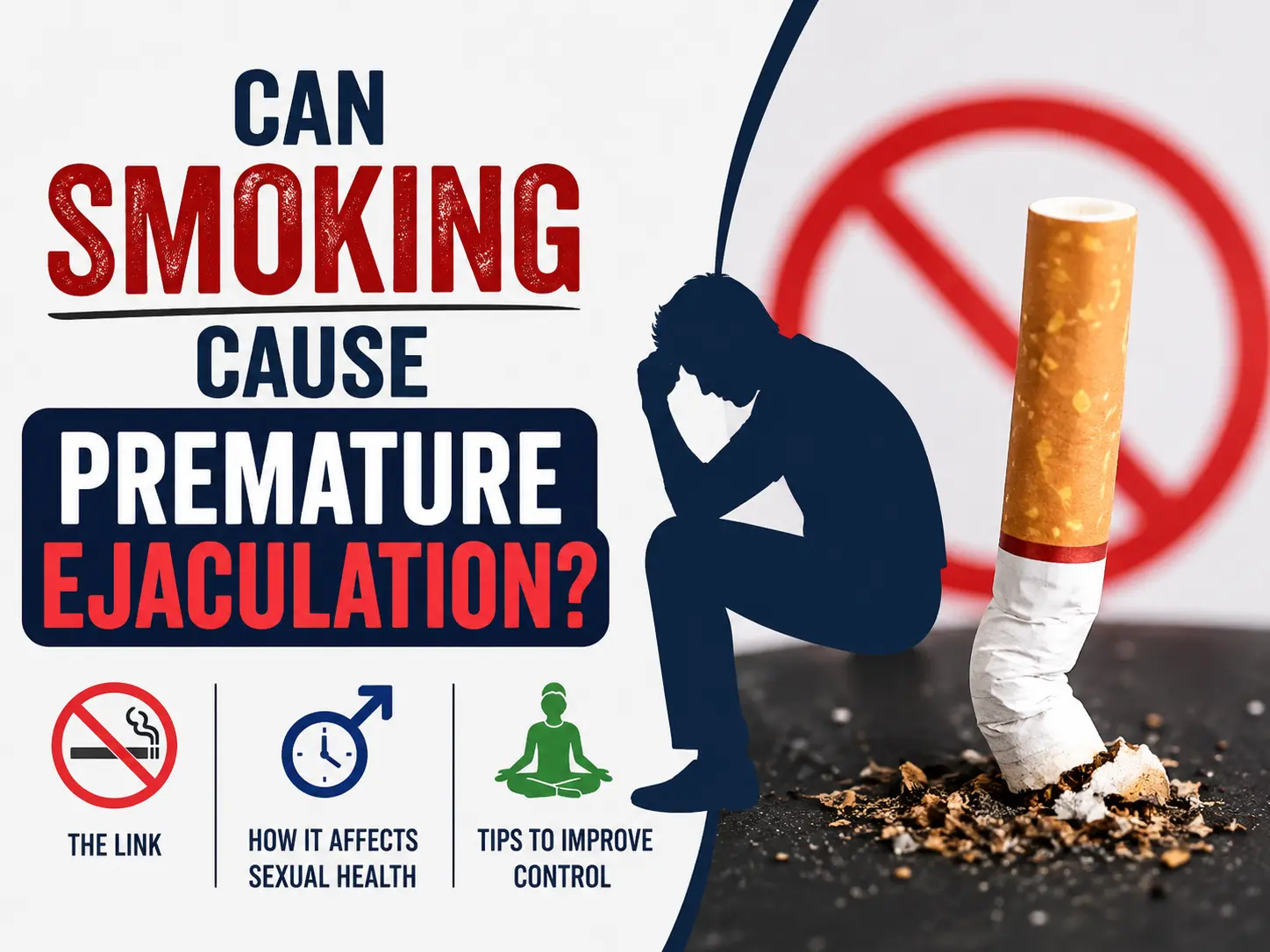
Can Smoking Cause Premature Ejaculation? Understanding the Connection Between Tobacco and Sexual Health
Quick Summary: Key Takeaways
- Smoking is strongly associated with several forms of male sexual dysfunction, particularly erectile dysfunction, and it may also be associated with premature ejaculation in some men.
- Smoking can damage blood vessels and affect circulation, the nervous system and overall cardiovascular health—all of which are important for healthy sexual function.
- Premature ejaculation is a complex condition. Smoking may be one contributing factor, but it should not automatically be considered the sole cause.
- Quitting smoking can improve overall health and may support better sexual function, while persistent premature ejaculation should be discussed with a qualified healthcare professional.
Introduction
Smoking affects much more than the lungs. Over time, tobacco exposure can influence blood circulation, cardiovascular health, nerve function and psychological wellbeing. Because sexual function depends on several of these systems working together, many men wonder whether smoking may also contribute to problems with sexual performance and ejaculatory control.
So, can smoking cause premature ejaculation?
The answer requires some nuance. Smoking is not established as the single direct cause of premature ejaculation in every smoker, but tobacco use may contribute to sexual dysfunction and may be associated with premature ejaculation in some men.
Premature ejaculation can have many contributing factors, including anxiety, relationship concerns, erectile dysfunction, medical conditions and individual patterns of sexual response. Therefore, a man who experiences PE should not assume that smoking is the only explanation.
This article explores the possible relationship between smoking and premature ejaculation, what current medical understanding suggests, practical steps for improving sexual health, and how an Ayurvedic wellness approach may support healthier lifestyle habits.
What Is Premature Ejaculation?
Premature ejaculation is generally characterised by ejaculation occurring sooner than desired, difficulty delaying ejaculation and significant personal distress or relationship difficulties. A single episode of ejaculating quickly does not necessarily mean that someone has a medical condition.
Sexual timing varies naturally. Excitement, anxiety, stress, a long period without sexual activity and relationship circumstances can all influence how quickly ejaculation occurs.
Healthcare professionals generally consider factors such as:
- Difficulty consistently delaying ejaculation
- Ejaculation occurring sooner than the individual or couple desires
- Personal distress, frustration or relationship difficulties
- Whether the problem has been present throughout sexual life or developed later
Lifelong and Acquired Premature Ejaculation
Premature ejaculation may broadly be discussed as:
Lifelong PE:
Difficulty with ejaculatory control has been present since early sexual experiences.
Acquired PE:
The problem develops after a period of previously satisfactory sexual function.
Acquired changes in sexual function deserve particular attention because they may be associated with stress, erectile difficulties, relationship concerns, medication effects or other health conditions.
Can Smoking Cause Premature Ejaculation?
Smoking may contribute to premature ejaculation indirectly by affecting overall vascular health, sexual confidence, erectile function and psychological wellbeing. However, premature ejaculation is multifactorial, and smoking alone cannot explain every case.
Research into the specific relationship between tobacco use and premature ejaculation has produced associations, but association does not automatically prove that smoking directly causes PE.
The stronger and more established evidence is that smoking negatively affects vascular and cardiovascular health, which can contribute to erectile dysfunction and other sexual-health problems. Erectile difficulties themselves can sometimes coexist with or contribute to rapid ejaculation because a person may feel anxious about losing an erection and rush toward orgasm.
In other words, the relationship may involve several overlapping factors.
How Smoking May Affect Sexual Function
1. Smoking and Blood Circulation
Smoking can damage blood vessels and negatively affect circulation. Because normal erectile function depends on healthy blood flow, long-term tobacco use can increase the risk of erectile difficulties and other sexual-health concerns.
An erection depends on a coordinated interaction between blood vessels, nerves and the brain.
Tobacco smoke contains substances that can contribute to vascular damage. Nicotine can also temporarily affect blood-vessel function.
Over time, smoking is associated with:
- Reduced vascular health
- Damage to the lining of blood vessels
- Increased cardiovascular risk
- Reduced efficiency of blood circulation
These effects are particularly relevant to erectile function.
How Erectile Difficulties May Relate to PE
Some men with erectile difficulties become increasingly focused on maintaining their erection during sexual activity.
This can lead to:
- Increased performance anxiety
- Rushing through sexual activity
- Fear of losing an erection
- Greater focus on sexual performance rather than relaxation
For this reason, erectile dysfunction and premature ejaculation can sometimes occur together.
2. Smoking, the Nervous System and Sexual Response
Sexual function depends on communication between the brain, spinal cord, nerves and reproductive organs. Long-term tobacco exposure may affect the body's overall neurological and cardiovascular health, although premature ejaculation cannot be explained by one neurotransmitter or one nerve pathway alone.
Ejaculation is a complex reflex involving multiple systems.
The brain processes:
- Sexual stimulation
- Emotional responses
- Anxiety
- Expectations
- Physical sensations
The nervous system then coordinates signals involved in sexual arousal and ejaculation.
Because smoking can affect overall health and is associated with stress and dependence, its influence on sexual function may be both physical and psychological.
3. Smoking, Stress and Performance Anxiety
Nicotine may temporarily relieve withdrawal symptoms, but dependence can contribute to a repeated cycle of cravings and stress. Psychological stress and performance anxiety are recognised factors that can affect sexual function and may contribute to premature ejaculation.
Some smokers believe that cigarettes help them relax. While nicotine may temporarily change mood or reduce withdrawal discomfort, dependence can create a cycle in which a person feels increasingly uncomfortable without nicotine.
Stress can influence sexual function in several ways.
A person may experience:
- Difficulty relaxing
- Increased muscle tension
- Excessive focus on performance
- Fear of disappointing a partner
- Increased attention to the possibility of ejaculating early
Performance anxiety can become self-reinforcing.
A Common Anxiety Cycle
- A person has one disappointing sexual experience.
- They begin worrying about it happening again.
- The next sexual encounter becomes a test of performance.
- Anxiety increases physical and mental tension.
- The person becomes even more concerned about control.
Breaking this pattern may require stress management, better communication and, in some cases, professional counselling.
4. Smoking and Overall Hormonal Health
Smoking can influence many biological processes, but sexual symptoms should not automatically be attributed to “low testosterone.” Hormone levels are complex, and testosterone should be evaluated medically when symptoms or clinical history suggest a possible hormonal issue.
The internet often presents sexual problems as simple signs of low testosterone. In reality, premature ejaculation does not automatically mean that a person has low testosterone.
Symptoms that may require medical evaluation can include:
- Persistent reduction in sexual desire
- Erectile difficulties
- Unexplained fatigue
- Changes in physical strength
- Other symptoms suggesting a hormonal disorder
A qualified doctor can determine whether hormone testing is appropriate.
Does Smoking Increase the Risk of Erectile Dysfunction?
Yes. Smoking is a well-established risk factor for erectile dysfunction because healthy erections depend heavily on blood-vessel function and circulation. The risk may be influenced by smoking intensity, duration and other cardiovascular risk factors.
This is important because erectile dysfunction and premature ejaculation may overlap.
A man who experiences both symptoms should not simply buy an unverified supplement or assume that stress is the only cause. A proper health evaluation can be important.
Does Quitting Smoking Help Sexual Health?
Quitting smoking is one of the most beneficial lifestyle changes for overall health. Improvements in cardiovascular and vascular health can support sexual function, although the degree and speed of improvement vary from person to person.
The body begins adjusting after smoking cessation, but recovery depends on factors such as:
- Age
- Duration of smoking
- Amount of tobacco exposure
- Existing cardiovascular health
- Physical activity
- Diet
- Other medical conditions
Potential benefits of quitting include improved overall cardiovascular health, better exercise capacity and reduced exposure to substances that damage blood vessels.
It is important to avoid promising that quitting smoking will automatically “cure” premature ejaculation. If PE is caused primarily by anxiety, lifelong sexual patterns or another medical factor, additional support may still be necessary.
Ayurvedic Perspective on Smoking and Sexual Wellness
Ayurveda traditionally emphasises the connection between lifestyle, digestion, mental balance and vitality. From an Ayurvedic wellness perspective, reducing harmful habits and establishing a balanced daily routine may support overall wellbeing, but traditional approaches should not replace medical treatment for tobacco dependence or sexual-health conditions.
Ayurvedic traditions often consider excessive stimulation, stress, poor sleep and unhealthy habits as factors that may disturb overall balance.
Smoking can be viewed as inconsistent with a lifestyle focused on long-term wellbeing because it repeatedly exposes the body to harmful substances.
The Concept of Vata and Mental Agitation
In traditional Ayurvedic thinking, excessive mental activity, anxiety, irregular routines and nervous-system agitation are often discussed in relation to Vata imbalance.
For a person struggling with stress and sexual performance concerns, a calming routine may include:
- Regular sleep timing
- Balanced meals
- Gentle physical exercise
- Meditation
- Yoga
- Relaxation practices
- Reduced exposure to tobacco and other harmful substances
These practices should be viewed as supportive wellness strategies rather than a guaranteed treatment for premature ejaculation.
Ayurvedic Herbs and Sexual Health: A Safety-First Approach
Several Ayurvedic herbs are traditionally associated with vitality and stress management. Common examples include:
- Ashwagandha
- Shatavari
- Gokshura
- Safed Musli
However, traditional use does not mean that every herb is appropriate for every person or that an herbal product can cure premature ejaculation.
The quality of supplements can vary considerably, and some products may interact with medicines or be unsuitable for certain health conditions.
Important Precautions
Do not:
- Combine multiple herbal products without guidance
- Assume that “natural” automatically means safe
- Use extremely high doses
- Replace prescribed medical treatment with supplements
- Purchase unverified products making unrealistic “permanent cure” claims
A qualified Ayurvedic practitioner or healthcare professional can provide more individualised guidance.
Practical Steps to Improve Sexual Health Alongside Quitting Smoking
1. Seek Help to Quit Smoking
Quitting tobacco can be challenging because nicotine dependence involves both physical and behavioural factors.
Support may include:
- Behavioural counselling
- A structured quit plan
- Professional smoking-cessation support
- Doctor-recommended treatments where appropriate
Do not feel that you need to manage tobacco dependence alone.
2. Improve Cardiovascular Fitness
Regular physical activity supports:
- Heart health
- Blood circulation
- Stress management
- Energy levels
- Overall physical wellbeing
Choose an activity you can maintain consistently, such as walking, cycling, swimming or strength training.
If you have cardiovascular disease or other medical conditions, discuss a new exercise programme with your healthcare provider.
3. Manage Performance Anxiety
Try to shift the focus away from “How long am I lasting?”
Sexual satisfaction involves more than duration. Communication, emotional comfort, intimacy and mutual expectations are all important.
Helpful approaches may include:
- Slow breathing
- Stress-management techniques
- Open communication with a partner
- Reducing unrealistic expectations
- Professional counselling when anxiety is persistent
4. Consider Evidence-Based Behavioural Techniques
Some behavioural techniques are used to help improve awareness of sexual arousal.
Examples include:
- Stop-start techniques
- Learning to recognise increasing arousal
- Gradual pacing
- Professional sex therapy or counselling
These methods are not equally effective for everyone, and persistent symptoms may require individual assessment.
Quick Reference Table: Smoking, PE and Sexual Health
| Concern | Possible Connection | Practical Step |
|---|---|---|
| Smoking | Harms cardiovascular and vascular health | Develop a structured smoking-cessation plan |
| Premature ejaculation | May involve psychological, biological and behavioural factors | Identify patterns and consider professional advice |
| Erectile difficulties | Smoking is a recognised risk factor | Seek medical assessment |
| Performance anxiety | May contribute to rapid ejaculation | Consider counselling and stress management |
| Chronic stress | Can affect sexual confidence and wellbeing | Improve sleep, exercise and relaxation habits |
| Herbal products | Quality and safety may vary | Consult a qualified practitioner before use |
Do's and Don'ts for Better Sexual Health
Do
- Work toward quitting smoking for your overall health.
- Seek help if nicotine dependence is difficult to manage.
- Pay attention to persistent changes in sexual function.
- Maintain regular physical activity.
- Prioritise adequate sleep.
- Manage stress and anxiety.
- Consult a qualified professional for persistent PE.
Don't
- Assume smoking is the only cause of premature ejaculation.
- Ignore sudden changes in sexual function.
- Use unverified “instant stamina” or “permanent cure” products.
- Self-medicate with multiple supplements.
- Allow embarrassment to prevent you from seeking professional help.
- Expect one lifestyle change to solve every sexual-health concern.
When Should You Consult a Doctor?
You should consult a qualified healthcare professional if premature ejaculation is persistent, causes significant distress, affects your relationship or develops suddenly after previously normal sexual function. Professional assessment can help identify physical, psychological or sexual-health factors.
Seek medical advice particularly if you also experience:
- Erectile dysfunction
- Pain during ejaculation
- Pelvic pain
- Persistent urinary symptoms
- Blood in urine or semen
- A sudden major change in sexual function
- Significant anxiety or depression
A doctor may recommend appropriate evaluation or refer you to a urologist, sexual-health specialist, counsellor or another qualified professional.
Frequently Asked Questions
1. Can smoking directly cause premature ejaculation?
Smoking may be associated with sexual dysfunction and may contribute to premature ejaculation indirectly in some men. However, PE is multifactorial, and smoking should not automatically be considered the sole cause.
2. Will quitting smoking cure premature ejaculation?
Quitting smoking can support better overall and vascular health, but it is not guaranteed to cure PE. Other factors, including anxiety, erectile dysfunction and individual sexual patterns, may also require attention.
3. Can vaping cause sexual problems?
Nicotine-containing products may still affect the cardiovascular and nervous systems. The long-term health effects of different products can vary, and avoiding tobacco and nicotine dependence is generally better for overall health.
4. Can smoking cause erectile dysfunction?
Yes. Smoking is a recognised risk factor for erectile dysfunction because it can damage blood vessels and impair circulation.
5. What is the best natural way to manage premature ejaculation?
There is no single natural method that works for everyone. Stress management, healthy lifestyle habits and behavioural techniques may help some individuals. Persistent PE should be discussed with a qualified healthcare professional.
Final Takeaway
Smoking can negatively affect the systems that support healthy sexual function, particularly blood circulation and cardiovascular health. While it is too simplistic to say that every case of premature ejaculation is caused by smoking, tobacco use may be an important contributing factor for some individuals.
Premature ejaculation deserves a broader assessment. Anxiety, erectile difficulties, relationship concerns, medical conditions and learned sexual patterns may all play a role.
Quitting smoking is a meaningful step toward better overall health and may also support sexual wellbeing. Combining smoking cessation with regular exercise, stress management, healthy sleep and professional guidance offers a more realistic and responsible approach than relying on quick-fix products or unverified claims.
Written in an educational wellness context on behalf of Rishi K Sharma, Wellness Expert.
Medical Disclaimer
This article is intended for general educational and informational purposes only. It is not a substitute for professional medical diagnosis, treatment or personalised healthcare advice. Premature ejaculation and other sexual-health concerns can have physical, psychological or relationship-related causes. Consult a qualified doctor, urologist or sexual-health professional for persistent symptoms. Do not start, stop or change medications, smoking-cessation treatments, supplements or Ayurvedic herbal products without appropriate professional guidance.
Frequently Asked Questions