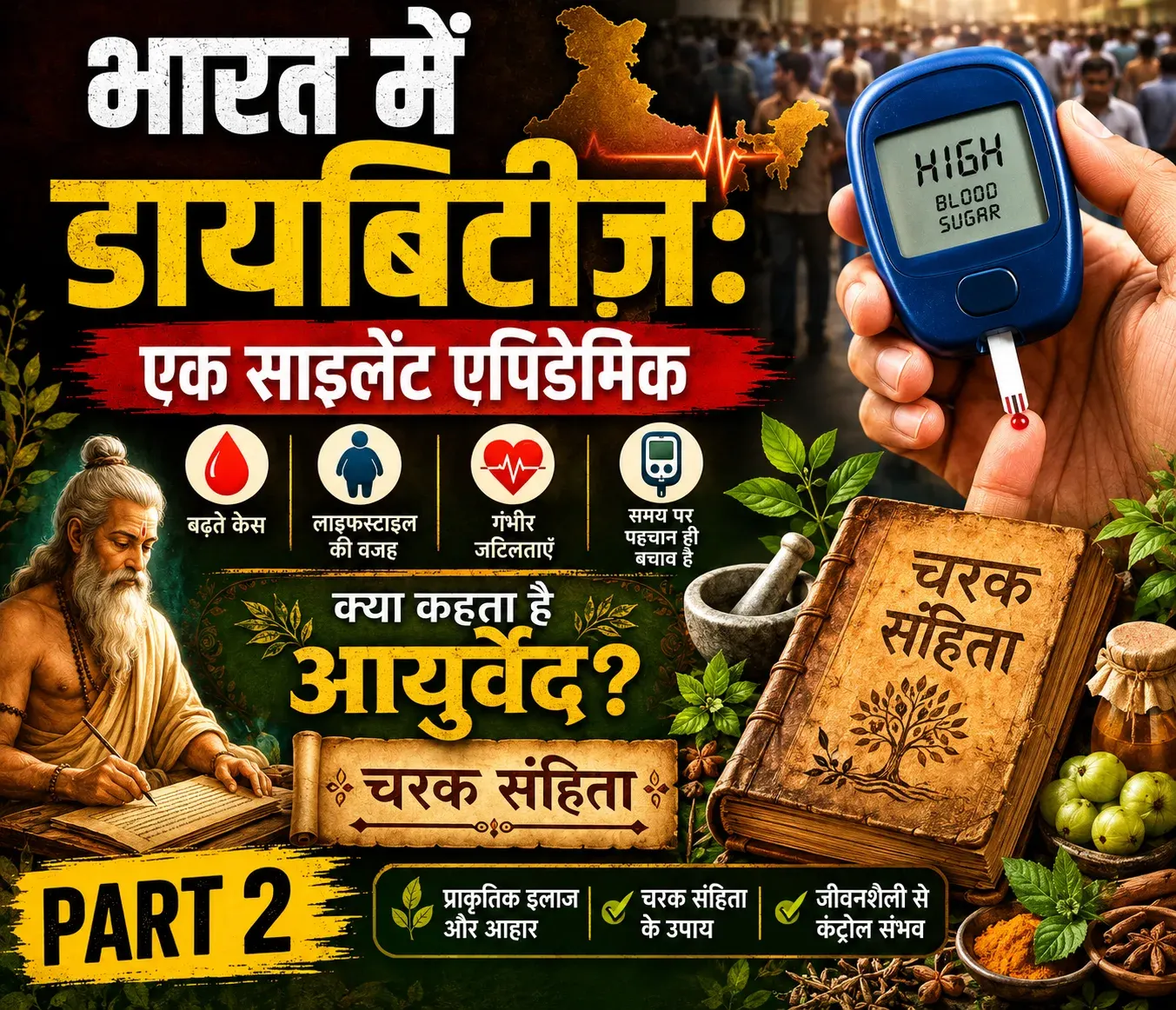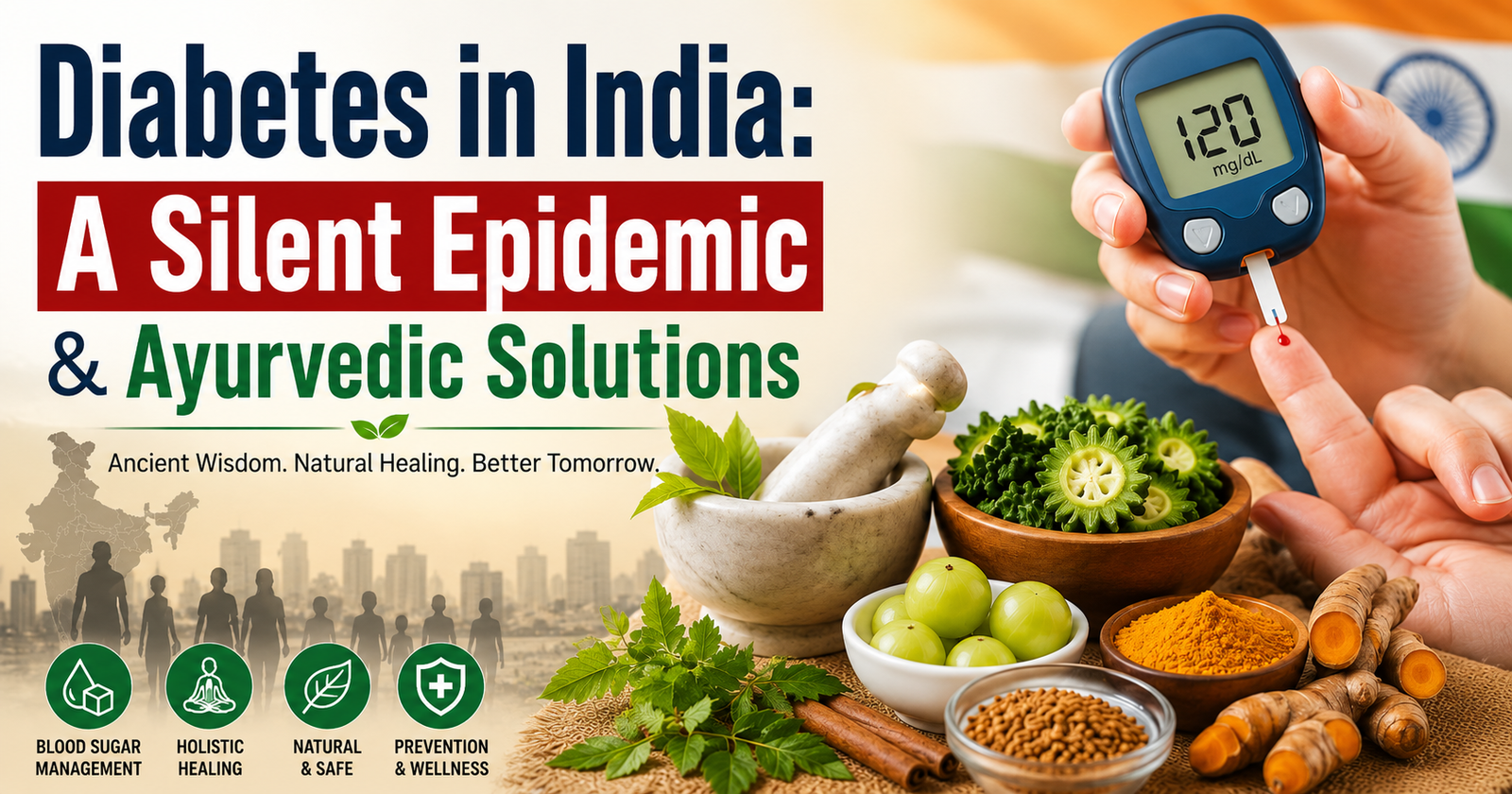

Reversing the Trend: How Modern Preventive Medicine and Ayurvedic Wisdom Meet in Diabetes Care
When I sit down with young professionals in my clinical practice who are coming in with persistent fatigue, unexplained weight shifts, or sluggish afternoons, a troubling modern reality quickly surfaces. We are seeing metabolic exhaustion creep into younger populations—striking individuals in their 20s and 30s long before previous generational timelines [ICMR-INDAB, 2023].
In India especially, the rapid shift toward sedentary tech jobs, refined convenience foods, and chronic sleep deprivation has turned lifestyle-related blood sugar imbalances into a widespread public health hurdle.
The encouraging news is that prediabetes and early metabolic dysfunction are not inevitable life sentences. By bridging the precision of modern clinical screening with the root-cause philosophy of classical Ayurveda, we can build a sustainable framework for natural wellness, metabolic resilience, and long-term vitality.
The Modern Clinical Perspective: Why Early Awareness Matters
From a physiological standpoint, diabetes and its precursor, prediabetes, are driven by insulin resistance—a condition where the body's cells fail to respond effectively to the hormone insulin, leaving glucose circulating uselessly in the bloodstream.
Why the Early Signs Are Often Missed
Clinical indicators develop subtly. Long before blood tests flash warning numbers, patients often experience:
-
Cellular Energy Deficits: Even though sugar is abundant in the blood, cells are starved of fuel, manifesting as chronic fatigue [ADA, 2024].
-
Osmotic Shifts: Frequent urination (polyuria) and insatiable thirst (polydipsia) occur as the kidneys attempt to flush out excess circulating glucose.
-
Delayed Healing: Elevated blood sugar impairs microcirculation and immune cell function, making minor cuts or bruises slower to mend.
Ignoring these whispers of the body allows low-grade systemic inflammation to strain vital organs, increasing the long-term risk of cardiovascular strain, neuropathy, and nephropathy.
The Ayurvedic Dimension: Understanding Madhumeha and Metabolic Fire
While modern medicine maps cellular receptors and hormone pathways, Ayurveda views these exact challenges through the framework of Madhumeha (literally translating to "sweet urine," aligning with classical descriptions of diabetes) and systemic metabolic imbalance.
1. Doshas, Agni, and Channel Obstruction
Ayurveda teaches that metabolic health hinges on the state of Agni (digestive and cellular fire) and the purity of the Srotas (micro-circulatory channels).
-
Kapha Imbalance: When heavy, sweet, cold, or oily foods (Guru, Madhura Ahara) are consumed in excess alongside a sedentary life (Avyayama), they provoke Kapha dosha and Meda dhatu (adipose tissue).
-
Sroto-rodha (Channel Blockage): This sluggishness coats and obstructs the micro-channels (Srotas), trapping metabolic waste and preventing proper nutrient assimilation. Eventually, this disrupts Vata dosha, leading to tissue depletion and systemic instability.
2. Classical Text References
-
Charaka Samhita (Chikitsasthana, Chapter 4, Verse 6) highlights that indulgence in daytime sleeping (Divaswapna), lack of physical exercise, and excessive consumption of newly harvested grains, milk products, and sweets are primary etiological triggers for Prameha.
-
Ashtanga Hridaya (Nidanasthana, Chapter 10) notes that when metabolic toxins (Ama) combine with vitiated doshas, they compromise the deeper tissues (Dhatus), shifting a simple functional imbalance into a chronic condition.
Botanical Support: Traditional Herbs for Metabolic Wellness
Ayurvedic pharmacopeia features several time-tested botanicals that modern research and clinical experience show may support healthy glycemic management:
-
Gurmar (Gymnema sylvestre): Famously known as the "sugar destroyer," classical texts and modern pharmacological reviews suggest it may support pancreatic beta-cell function and temporarily suppress sweet taste receptors [Baskaran et al., 1990].
-
Karela (Momordica charantia / Bitter Melon): Contains active insulin-mimetic compounds (like charantin and polypeptide-p) that assist natural glucose utilization.
-
Fenugreek / Methi (Trigonella foenum-graecum): Rich in soluble dietary fiber, fenugreek seeds help slow carbohydrate absorption and support balanced post-meal blood sugar levels.
-
Amla (Emblica officinalis): Packed with potent antioxidants and Vitamin C, Amla combats oxidative stress, which is a major contributor to diabetic complications.
Note: Herbal supplements are designed to support, not replace, a comprehensive medical plan. Always consult a professional before altering your regimen.
Practical Ways to Support Metabolic Health (Diet, Routine & Movement)
Sustainable health is built in the kitchen and through daily habits (Dinacharya), not through extreme, short-lived restrictions.
-
Adopt Mindful Eating Timings: Eat your largest meal at midday when Jataragni (digestive fire) is naturally strongest. Avoid heavy late-night dinners that sit unprocessed and create Ama.
-
Incorporate Post-Meal Movement: Take a gentle 15-minute walk after lunch and dinner. This simple act engages large skeletal muscles, encouraging them to uptake glucose directly from the bloodstream without requiring an immediate insulin spike.
-
Prioritize Restorative Sleep: Chronic sleep deprivation elevates cortisol and ghrelin, driving insulin resistance and sugar cravings. Aim for consistent sleep-wake cycles and minimize late-night screen exposure.
-
Manage Stress via Yoga: Daily practice of gentle asanas like Mandukasana (Frog Pose) and Ardha Matsyendrasana (Sitting Spinal Twist) applies gentle, beneficial compression to the pancreatic region, while Pranayama (such as Anulom Vilom) calms the nervous system.
Medical Disclaimer: The content in this article is provided for educational and informational purposes only and does not constitute formal medical advice, diagnosis, or treatment. Always work closely with your physician, endocrinologist, or qualified Ayurvedic practitioner before modifying prescription medications, starting herbal supplements, or initiating a new exercise program.
References & Further Reading
Modern Medical References:
-
American Diabetes Association (ADA). (2024). Standards of Care in Diabetes—2024. Diabetes Care, 47(Suppl. 1), S1–S345.
-
Indian Council of Medical Research (ICMR-INDAB). (2023). Metabolic Non-Communicable Disease Burden Report across India. Lancet Diabetes & Endocrinology.
-
Baskaran, K., et al. (1990). Antidiabetic effect of Gymnema sylvestre supplement in type 2 diabetic patients. Journal of Ethnopharmacology, 30(3), 295–305.
Classical Ayurvedic Texts & Books:
-
Charaka Samhita, Chikitsasthana, Chapter 4 (Prameha Chikitsa) - In-depth exploration of lifestyle causes, pathology, and management of metabolic disorders.
-
Ashtanga Hridaya, Nidanasthana, Chapter 10 (Prameha Nidana) - Classical etiology and progression of doshic imbalances affecting metabolism.
FAQs
Q1: What is the main cause of the sharp rise in diabetes among young adults? A1: The rapid increase is largely driven by a combination of sedentary desk jobs, high consumption of processed and refined foods, chronic psychological stress, poor sleep hygiene, and genetic predispositions.
Q2: How does Ayurveda define diabetes? A2: Ayurveda classifies diabetes primarily under Madhumeha or Prameha, viewing it as a systemic metabolic disorder where sluggish digestion (Agni), toxin accumulation (Ama), and vitiated Kapha and Vata doshas obstruct micro-channels.
Q3: Can prediabetes be reversed naturally? A3: Yes, prediabetes is often reversible. Implementing consistent dietary modifications, regular physical activity, stress reduction, and healthy weight management can help return blood glucose levels to a healthy range.
Q4: Are Ayurvedic herbs safe to take alongside conventional diabetes medications? A4: Many classical herbs (like Methi, Karela, and Gurmar) are very supportive, but they can lower blood sugar and may interact with prescription drugs. Always coordinate with your doctor before combining them.
Q5: Why is post-meal walking recommended for blood sugar control? A5: Walking after meals activates major muscle groups, which absorb glucose directly from the bloodstream independently of insulin, effectively blunting post-meal blood sugar spikes.
Q6: What role does stress play in blood glucose levels? A6: Chronic stress triggers the release of cortisol and adrenaline, hormones that signal the liver to dump stored glucose into the bloodstream to prepare for "fight or flight," thereby elevating blood sugar.
Q7: How does sleep quality impact metabolic health? A7: Poor or inadequate sleep disrupts glucose metabolism, reduces insulin sensitivity, alters hunger hormones, and increases cravings for sugary or high-carbohydrate foods.
Q8: Are all fruits forbidden for someone managing blood sugar? A8: No. Fruits with low glycemic indices, such as papayas, guavas, apples, and berries, can be enjoyed in controlled moderation, while high-sugar tropical fruits or packaged juices should be avoided.
Q9: What is the significance of Agni in Ayurveda? A9: Agni represents the body’s internal metabolic and digestive fire. When Agni is strong, food is properly transformed into cellular energy rather than turning into metabolic waste (Ama).
Q10: When should I seek immediate medical care for high blood sugar symptoms? A10: Seek urgent medical attention if you experience extreme thirst, severe fatigue, persistent nausea or vomiting, confusion, rapid breathing, or fruity-smelling breath, as these can indicate acute medical emergencies.