
Can Iron Deficiency Cause Irregular Periods? The Real Connection Explained
Quick Summary Box (Key Takeaways)
-
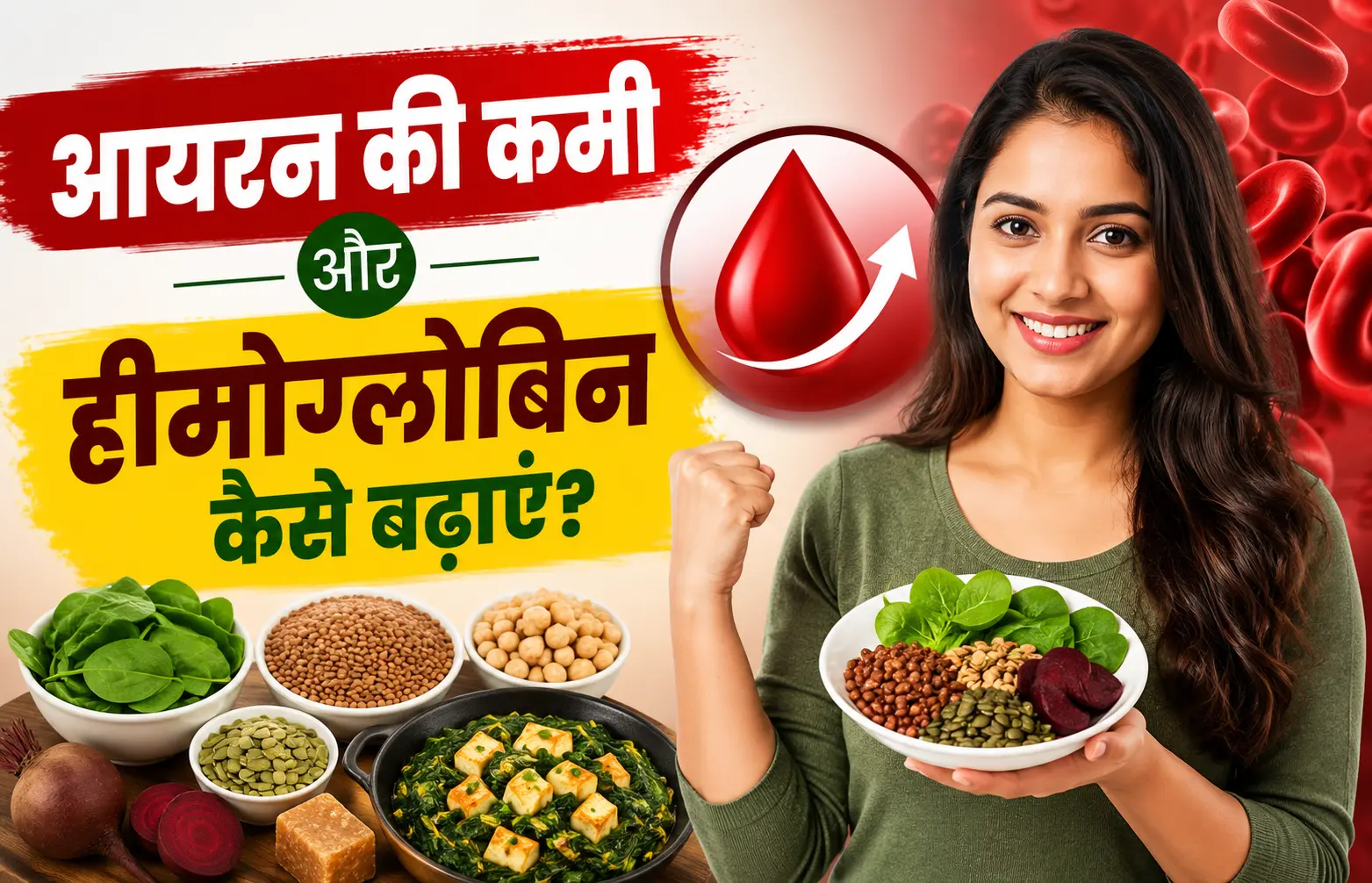
The Direction of Causality: Iron deficiency does not directly alter your ovulation or cause irregular periods; rather, chronic heavy menstrual bleeding (Raktapradara) depletes bodily iron, leading to deficiency.
-
Depleted Stores vs. Anemia: You can suffer from severe iron depletion (low serum ferritin) even when your standard hemoglobin levels appear normal on a routine blood test.
-
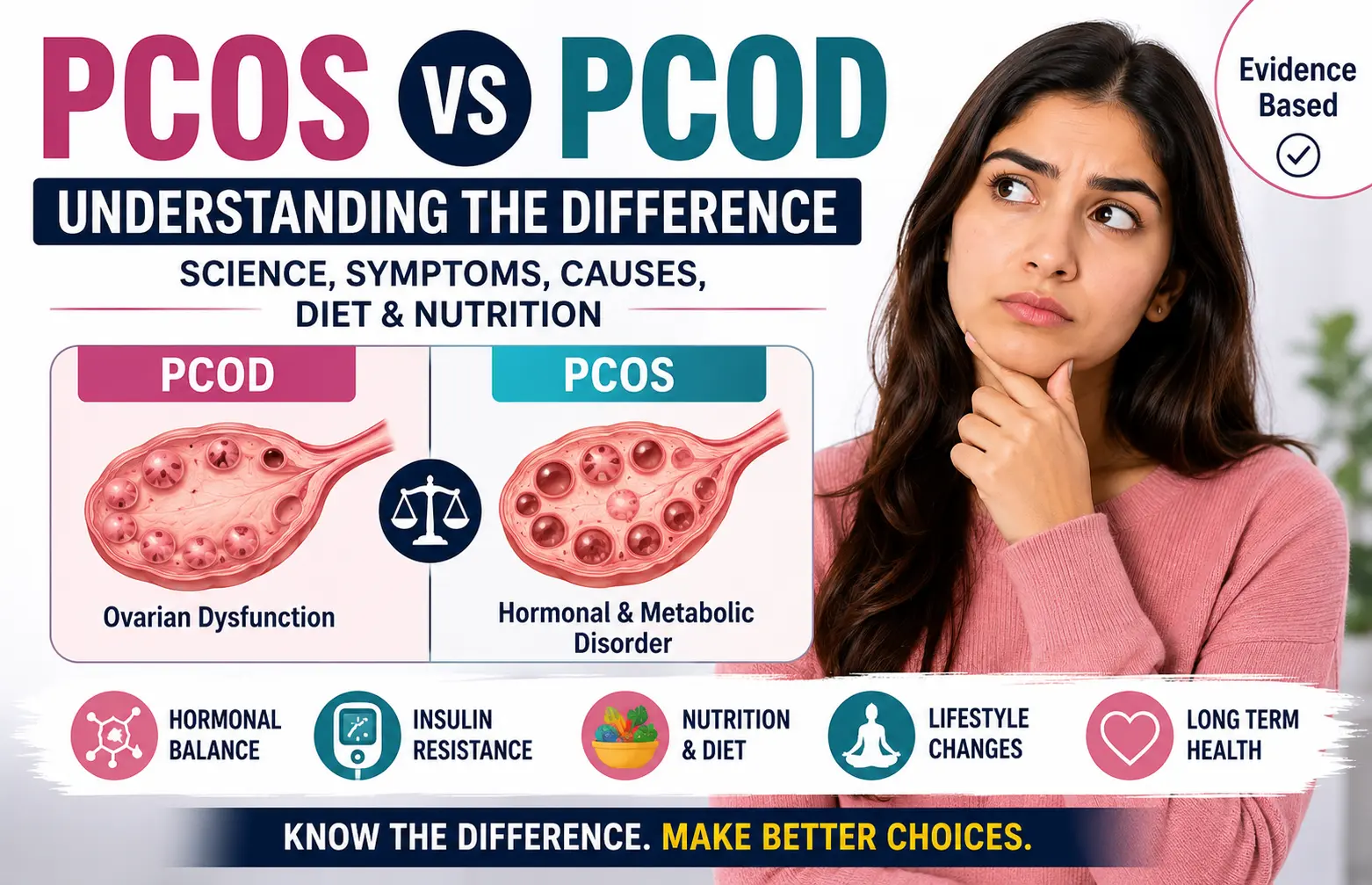
Root Causes Matter: Taking iron supplements will restore your blood count, but it will not fix underlying hormonal imbalances like PCOS, thyroid disorders, or perimenopause.
-
Integrative Approach: Combining modern diagnostic testing (CBC, Ferritin) with classical Ayurvedic dietary routines (Ahar) and bio-available herbal options optimizes long-term recovery.
Introduction: Decoding the Iron-Menstruation Mystery
When a menstrual cycle strays from its predictable pattern, accompanied by persistent exhaustion, cold hands, and brain fog, many women naturally wonder if low iron levels are shutting down their cycle. It is a logical question: iron carries oxygen to every organ, including the endocrine glands that regulate reproductive hormones.
However, the clinical relationship between micronutrient status and menstrual regularity is often misunderstood.
While iron deficiency and irregular periods frequently occur together, low iron is rarely the primary trigger of anovulation or erratic cycle length. Instead, the connection typically runs in reverse: abnormal, heavy, or prolonged uterine bleeding drains the body's iron reserves faster than dietary intake can replenish them.
This guide unravels the physiological mechanics connecting iron loss to menstrual health. Written from an integrative perspective combining modern clinical evidence with classical Ayurvedic principles (Rakta and Artava Dhatu physiology), this article provides actionable insights to help you identify root causes, interpret lab tests, and restore systemic balance safely.
Direct Answer: Does Low Iron Directly Cause Irregular Menstrual Cycles?
What is the direct link between low iron and irregular periods?
Current clinical evidence indicates that iron deficiency does not directly cause irregular periods; rather, heavy or prolonged menstrual cycles cause low iron. While severe anemia stresses the body, erratic cycle timing is usually driven by hormonal dysfunction (like PCOS or thyroid disorders), whereas low iron is the downstream consequence of excessive blood loss.

In-Depth Analysis: Iron Deficiency vs. Iron-Deficiency Anemia
To understand how low iron affects your body, you must distinguish between depleting iron reserves and full-blown anemia. These represent two distinct stages on a clinical spectrum.
Stage 1: Functional Iron Deficiency (Depleted Ferritin)
In this initial stage, the body draws upon its stored iron reserves—measured as Serum Ferritin—to maintain functional hemoglobin levels.
-
Your routine Complete Blood Count (CBC) may return a completely normal hemoglobin reading.
-
However, tissues begin to experience subtle cellular energy deficits.
-
Symptoms include mild fatigue, reduced exercise stamina, hair thinning, and brittle nails.
Stage 2: Iron-Deficiency Anemia (IDA)
If heavy blood loss continues without adequate iron replenishment, iron stores become totally exhausted.
-
The bone marrow can no longer produce sufficient hemoglobin for red blood cells.
-
Oxygen delivery to systemic tissues drops significantly.
-
Symptoms escalate to severe exhaustion, dizziness, shortness of breath, heart palpitations, and extreme pallor.
| Parameter | Normal Iron Status | Iron Deficiency (Stage 1) | Iron-Deficiency Anemia (Stage 2) |
| Hemoglobin (Hb) | Normal | Normal | Low |
| Serum Ferritin | Normal | Low | Extremely Low |
| Tissue Oxygenation | Optimal | Mildly Impaired | Severely Impaired |
| Primary Physical Sign | Energetic, vibrant | Fatigue, hair loss | Palpitations, breathlessness, extreme fatigue |
Why Do Periods Become Irregular? Primary Root Causes
Because low iron itself is rarely the cause of erratic cycle timing, automatically taking iron pills for a missed or delayed period misses the true underlying issue. The hypothalamic-pituitary-ovarian (HPO) axis controls ovulation. Any disturbance in this signaling network can disrupt your schedule.
1. Polycystic Ovary Syndrome (PCOS)
PCOS is one of the most common causes of irregular or missed cycles. Elevated androgen levels and insulin resistance disrupt follicular development, causing delayed ovulation or prolonged, unpredictable bleeding spells.
2. Thyroid Gland Dysfunction
Both hypothyroidism (sluggish thyroid) and hyperthyroidism (overactive thyroid) alter how the liver processes reproductive hormones. Hypothyroidism frequently leads to abnormally heavy, frequent bleeding, rapidly depleting iron stores.
3. Perimenopause
As women approach menopause, fluctuating estrogen levels cause cycle lengths to expand or contract unexpectedly, often accompanied by sudden flooding or heavy spotting.
4. Excessive Exercise & Low Energy Availability
High-intensity athletic training paired with inadequate caloric intake suppresses gonadotropin-releasing hormone (GnRH) secretion from the hypothalamus, leading to functional hypothalamic amenorrhea (absence of periods).
5. Gynecological Structural Changes
Uterine fibroids, endometrial polyps, and adenomyosis increase the surface area of the uterine lining, leading to severe blood loss during menstruation.
The Downstream Exhaustion: Symptoms of Iron Loss from Heavy Bleeding
When menstrual blood loss exceeds typical limits (more than 80 mL per cycle, or soaking through a pad/tampon every hour for several hours), systemic iron drains rapidly.
Recognizing early warning signs prevents progression into severe anemia:
-
Persistent Cellular Fatigue: Exhaustion that does not improve even after a full night's rest.
-
Exertional Shortness of Breath: Feeling winded after climbing a simple flight of stairs.
-
Brain Fog & Cognitive Lag: Difficulty focusing, slowed information processing, or memory lapses.
-
Thermal Intolerance: Unusually cold hands and feet, or feeling cold when others are comfortable.
-
Restless Leg Syndrome (RLS): An uncomfortable, tingling urge to move the legs, particularly in the evening.
Essential Diagnostic Blood Tests to Ask Your Doctor
Self-diagnosing low iron based on fatigue alone can be misleading, as thyroid issues and Vitamin B12 deficiencies produce identical symptoms. A targeted blood panel offers clarity.
1. Complete Blood Count (CBC)
Evaluates Hemoglobin (Hb), Hematocrit (Hct), and Mean Corpuscular Volume (MCV). Small, pale red blood cells (microcytic, hypochromic) point directly toward iron deficiency.
2. Serum Ferritin
This is the most sensitive marker for early iron depletion. While standard reference ranges vary, levels below 30 µg/L strongly suggest depleted iron stores, even if hemoglobin appears normal.
3. Total Iron-Binding Capacity (TIBC) & Transferrin Saturation
TIBC measures the blood's capacity to bind iron with transferrin. A high TIBC combined with low transferrin saturation (below 20%) confirms that available iron transport is under-saturated.
Can Taking Iron Pills Make Your Periods Regular?
No. Supplementing with oral iron will not normalize an irregular menstrual cycle if the underlying cause is an endocrine disorder.

While iron supplements rebuild hemoglobin and eliminate fatigue, they do not regulate luteinizing hormone (LH), follicle-stimulating hormone (FSH), or thyroid hormones. Furthermore, unmonitored elemental iron intake can cause gastrointestinal side effects, including severe constipation, nausea, dark stools, and epigastric pain. Supplementation should always follow confirmed lab deficits.
Nutritional Strategy: Enhancing Dietary Iron Absorption
To maintain stable iron levels without relying solely on synthetic supplements, adjust your dietary habits to optimize iron bio-availability.
Dietary Iron Types: Heme vs. Non-Heme
-
Heme Iron: Found in animal proteins; easily absorbed by the human digestive tract (15–35% absorption rate).
-
Non-Heme Iron: Found in plant sources such as lentils, chickpeas, kidney beans (rajma), spinach, pumpkin seeds, and amaranth. Non-heme iron has a lower absorption rate (2–20%) and requires dietary optimization.
Actionable Dietary Enhancers & Inhibitors
-
Pair with Vitamin C: Ascorbic acid transforms non-heme iron into a more soluble ferrous form. Always squeeze fresh lemon juice over cooked lentils, or consume Indian Gooseberry (Amla), guavas, or oranges alongside meals.
-
Separate Tannins and Phytates: Polyphenols in tea, coffee, and red wine bind to non-heme iron in the digestive tract, blocking its absorption. Avoid drinking tea or coffee within 60 minutes before or after meals.
-
Manage Calcium Timing: Calcium competes with iron for intestinal absorption pathways. Take calcium supplements or high-calcium dairy products separately from iron-dense meals.
The Ayurvedic Perspective: Rakta Dhatu, Artava, and Pitta Balance
In classical Ayurveda, human physiology is sustained by seven vital tissues (Dhatus). Menstrual fluid (Artava) is considered a specialized metabolic byproduct (Upadhatu) of the primary plasma tissue (Rasa Dhatu), while blood tissue (Rakta Dhatu) carries the vital life energy (Prana).

Understanding Pandu Roga and Raktapradara
-
Pandu Roga (Anemia/Pallor): Occurs when an imbalance in the Pitta Dosha disrupts Ranjaka Pitta (the metabolic factor residing in the liver and spleen responsible for giving color to blood). This leads to tissue weakness, loss of complexion, and deep systemic fatigue.
-
Raktapradara (Menorrhagia/Heavy Bleeding): When aggravated Pitta heats and thins the blood (Rakta), it forces excessive flow through the uterine channels (Artavavaha Srotas). Over time, this chronic loss of blood triggers secondary Pandu (iron deficiency).
Ayurvedic Dietary and Lifestyle Adjustments
Rather than viewing iron purely as an isolated mineral, Ayurveda focuses on strengthening Agni (digestive fire) so the body can properly assimilate nutrients from food:
-
Draksha & Khajoor (Raisins & Dates): Soaking black raisins and dates overnight softens their fiber and enhances their Rakta-vardhak (blood-building) properties without burdening digestion.
-
Amalaki (Amla): Rich in natural Vitamin C and Tikka-Kashaya (bitter-astringent) tastes, Amla cools excess Pitta heat while maximizing iron absorption.
-
Loha Bhasma / Processing: Traditional Ayurvedic science utilizes meticulously processed, micro-fine iron formulations (Loha Bhasma or Mandura Bhasma) combined with digestive herbs like Trikatu to ensure high bio-availability without causing intestinal constipation.
Do’s and Don’ts for Menstrual & Iron Health
| Category | Recommended Actions (Do's) | Actions to Avoid (Don'ts) |
| Diagnostics | Test Serum Ferritin alongside CBC if experiencing chronic fatigue. | Do not self-prescribe high-dose iron pills without blood work. |
| Dietary Habits | Combine plant-based iron foods with Vitamin C (lemon, amla). | Do not consume tea, coffee, or milk with iron-rich meals. |
| Lifestyle | Practice moderate, grounding exercises (Yogasana, light walking). | Avoid excessive high-intensity workouts during heavy flow days. |
| Medical Care | Consult a gynecologist if you soak through pads every 1–2 hours. | Do not assume low iron is the sole cause of a missed period. |
Frequently Asked Questions (FAQs)
1. Can low ferritin delay your period?
Low ferritin reflects depleted iron stores, but it does not directly prevent ovulation or delay your period. If your period is delayed and your ferritin is low, both issues may stem from a shared root cause, such as severe physical stress, sudden weight loss, or an underlying hormonal imbalance.
2. How long does it take to restore iron levels after heavy periods?
Rebuilding depleted iron stores (ferritin) takes longer than raising hemoglobin. While hemoglobin can improve within 2 to 4 weeks of proper dietary adjustment or supplementation, fully replenishing ferritin stores typically requires 3 to 6 months of consistent, targeted therapy under medical supervision.
3. Does iron deficiency make period cramps worse?
Iron deficiency itself does not directly cause muscle cramps. However, the condition that causes the iron deficiency—such as uterine fibroids, adenomyosis, or elevated inflammatory prostaglandins—frequently causes both heavy bleeding and severe dysmenorrhea (painful cramps).
4. Can taking iron supplements cause my period to become heavier?
No. Standard oral iron supplements rebuild red blood cells and do not increase menstrual blood flow or make periods heavier. If your bleeding suddenly intensifies after starting supplements, consult your doctor to evaluate structural or hormonal causes.
5. Why is my hemoglobin normal if I have all the symptoms of low iron?
Hemoglobin is the last marker to drop when iron is depleted. Your body uses stored iron (ferritin) to keep hemoglobin levels stable for as long as possible. You can have severely depleted ferritin stores—causing fatigue, hair loss, and cold sensitivity—while your hemoglobin remains in the normal range.
When to See a Doctor
While minor cycle variations happen occasionally, certain symptoms warrant a professional medical evaluation by a qualified gynecologist or physician:
-
Menstrual bleeding that lasts longer than 7 consecutive days.
-
Flow so heavy that it requires changing a pad or tampon every hour for two or more consecutive hours.
-
Passing blood clots larger than a quarter.
-
Unexplained bleeding between periods or following sexual intercourse.
-
Irregular cycles persisting for more than three consecutive months.
-
Severe dizziness, fainting spells, shortness of breath, or chest discomfort.
References & Clinical Sources
-
American College of Obstetricians and Gynecologists (ACOG): Abnormal Uterine Bleeding FAQs. ACOG Reference Guide
-
National Institute of Child Health and Human Development (NICHD): What Causes Menstrual Irregularities? NICHD Health Information
-
PubMed National Library of Medicine: Review of Clinical Guidelines on Iron Deficiency and Iron-Deficiency Anemia in Women With Heavy Menstrual Bleeding. PubMed PMID: 33247314
-
Charak Samhita Research, Training and Development Centre: Artava and Menstrual Disorders in Ayurvedic Physiology. Charak Samhita Online Portal
Medical Disclaimer: This article is intended strictly for educational and informational purposes. It does not constitute medical advice, diagnosis, or treatment. Always seek the direct advice of a qualified physician or healthcare provider regarding any medical condition, blood test interpretation, or treatment plan.
Advertisement
Frequently Asked Questions
Yes, iron deficiency is one of the most overlooked causes of irregular periods. Studies show that up to 40% of women with menstrual irregularities have undiagnosed iron deficiency or iron-deficiency anemia. The relationship is bidirectional - heavy periods cause iron loss, and iron deficiency in turn worsens menstrual irregularity.
Iron deficiency means stored iron (ferritin) is low but hemoglobin may still be normal. Iron deficiency anemia means iron is so depleted that hemoglobin falls below normal. Both affect menstrual cycles, but iron deficiency can impact periods even before anemia develops. Always test serum ferritin, not just a complete blood count, for accurate assessment.
Iron supplements help when iron deficiency is the primary cause. However, irregular periods usually have multiple contributing factors. Iron supplementation combined with Ayurvedic uterine tonics (Shatavari, Ashoka), dietary improvements, and stress management gives far better results than iron alone. Always identify and address all contributing causes.
Maximize iron absorption: Always pair iron-rich foods with Vitamin C (Amla, lemon, tomato). Cook in cast iron vessels. Avoid tea, coffee, and calcium within 1 hour of iron-rich meals as they block absorption. Include fermented foods (idli, dosa batter) which reduce phytic acid that inhibits iron absorption. Eat small amounts of meat or fish if non-vegetarian.
Get these blood tests done: Serum Ferritin (most important - should be above 50 ng/mL for optimal menstrual health), Hemoglobin, Serum Iron and TIBC, and Vitamin B12 (often deficient alongside iron). If ferritin is below 30 ng/mL, iron deficiency is likely contributing to your irregular periods and should be addressed.

Related Articles