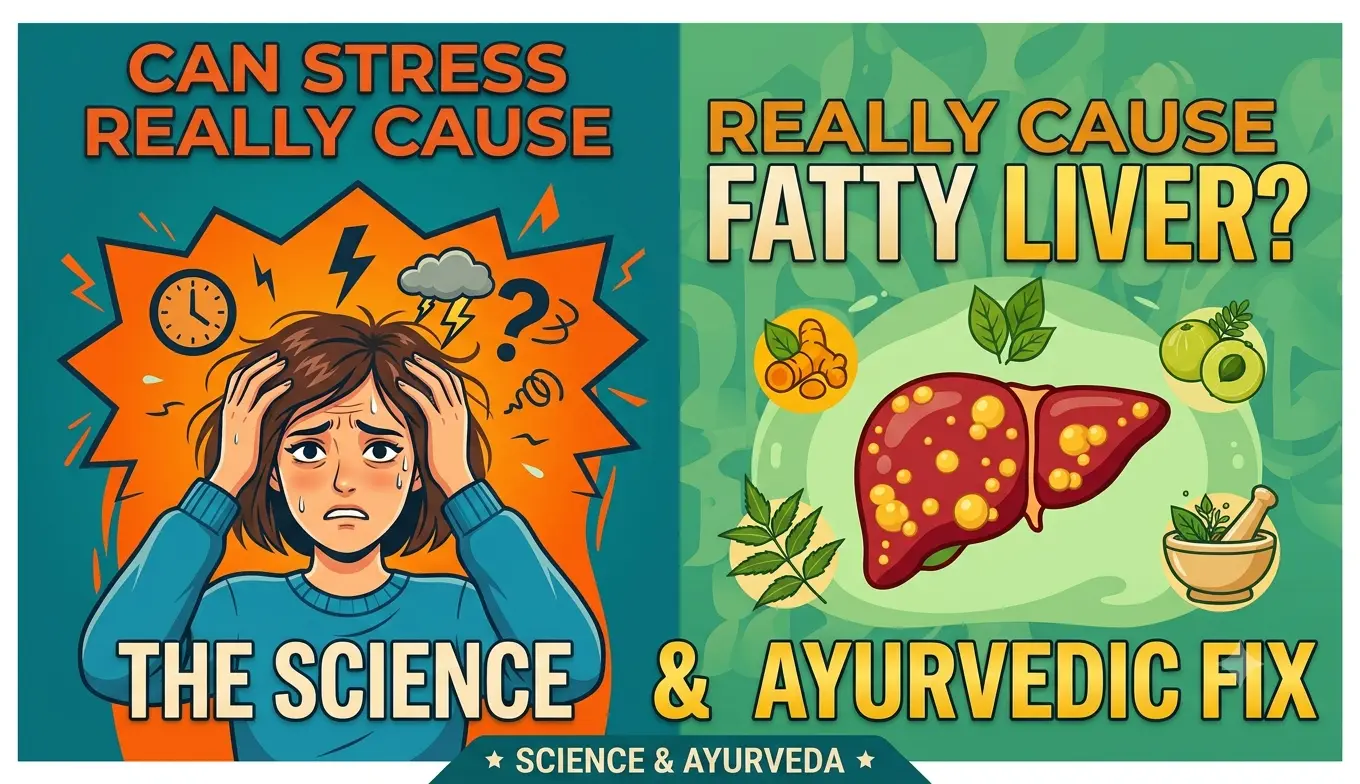
Can Stress Really Give You a Fatty Liver? Here's What's Actually Happening Inside Your Body
Written by Rishi K Sharma, Wellness Expert
Quick Summary: Key Takeaways
- Yes, stress is a real driver of fatty liver — not just diet or alcohol. Chronic cortisol elevation pushes fat storage straight into your liver cells.
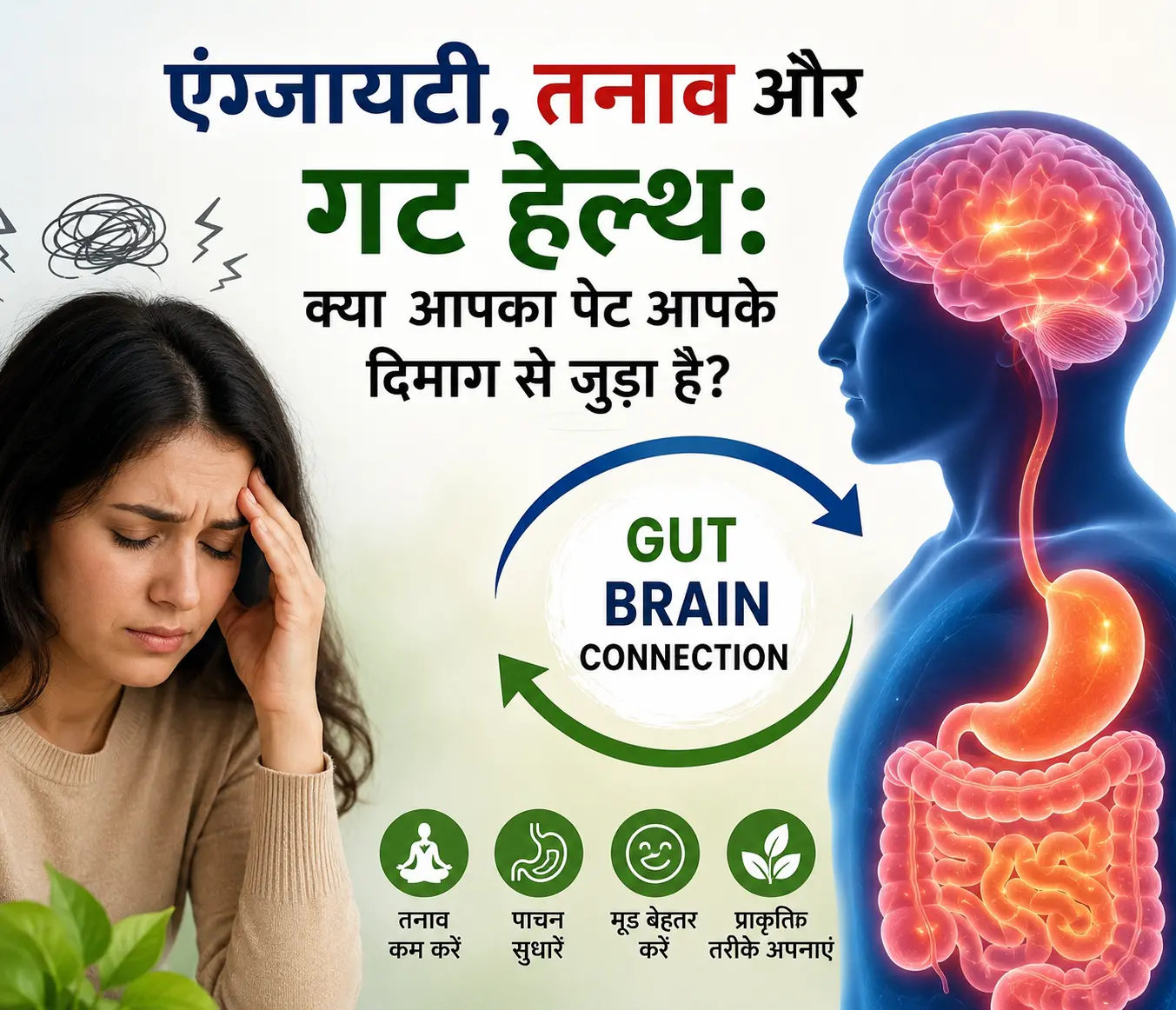
- Your gut and liver are in constant conversation. Stress weakens the gut lining, and the toxins that leak through travel directly to the liver via the portal vein.
- In Ayurveda, this is a Vata-Pitta imbalance. Aggravated Vata disturbs Agni (digestive fire), which inflames Ranjaka Pitta and lets Ama (toxic residue) build up in liver tissue.
- This is largely reversible. With the right combination of nervous-system care, targeted herbs, and dietary correction, most early-stage cases respond well within a few months.
Why This Connection Gets Missed So Often
Most people who get a fatty liver diagnosis start mentally reviewing their diet. Did I eat too much fried food? Did I drink more than usual last year? Those are fair questions, but they miss a piece of the puzzle that clinics rarely explain clearly: the state of your nervous system is directly wired into how your liver stores and processes fat.
I've sat across from patients whose diet looked reasonably clean on paper, who exercised occasionally, and who still had a Grade 1 or Grade 2 fatty liver on ultrasound. The common thread, once we dug deeper, was almost always the same — unresolved, long-running stress. Work pressure, financial strain, poor sleep, grief, caregiving fatigue. None of it shows up on a food diary, but all of it shows up in the liver.
This article walks through the actual biological pathway connecting stress to fatty liver, explains the Ayurvedic view of the same process, and lays out a practical, safety-conscious plan to reverse it.
How Does Stress Actually Cause Fatty Liver?
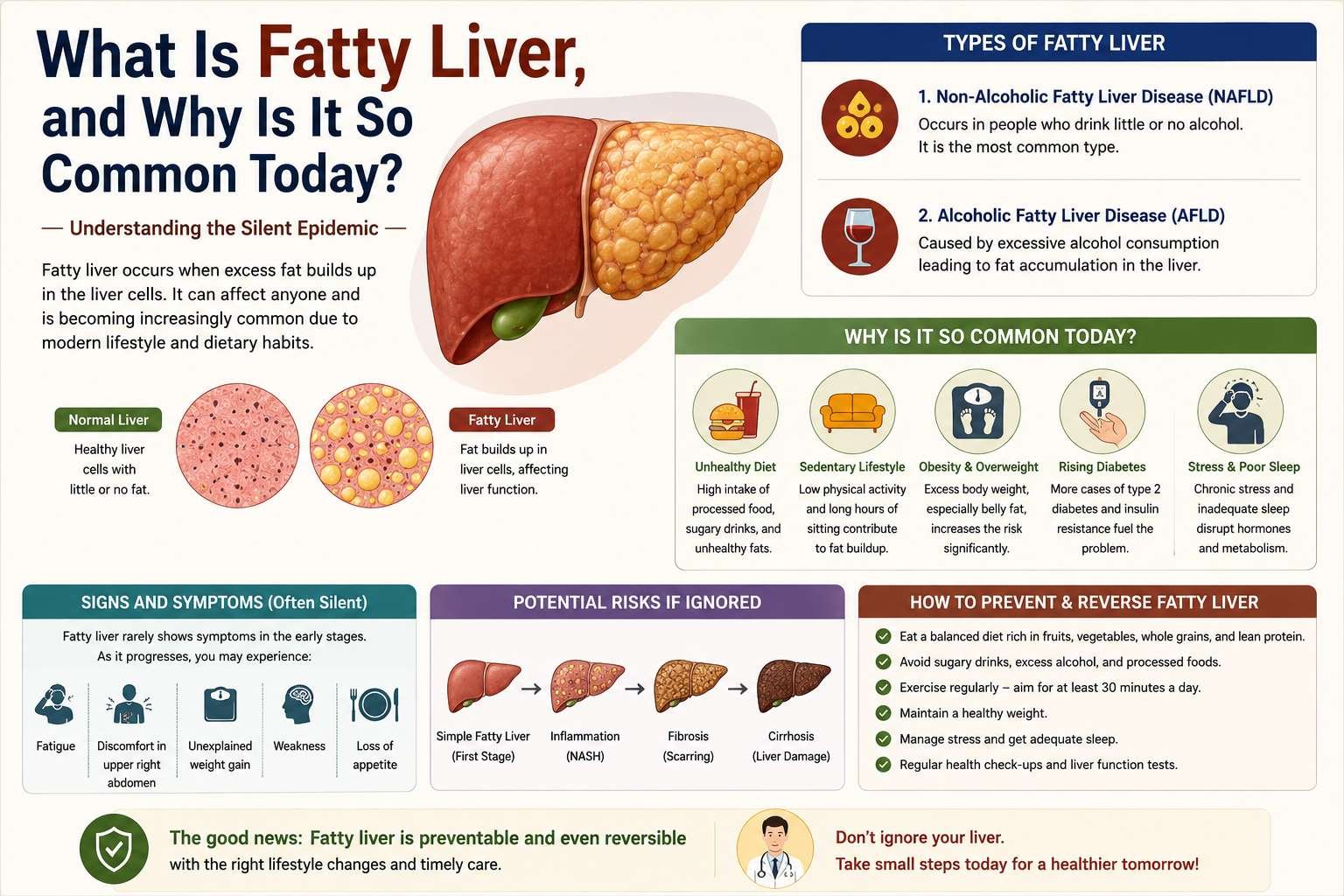
Direct answer: Chronic stress keeps cortisol and adrenaline elevated for long periods, which drives insulin resistance, pushes fat storage toward the abdomen and liver, restricts blood flow to digestive organs, and allows gut-derived toxins to inflame liver tissue — all of which encourage fat to accumulate inside liver cells.
Here's how each piece of that chain actually works.
1. Cortisol Overload and Insulin Resistance
A short burst of stress is not the problem — your body is built to handle that. The trouble starts when the hypothalamic-pituitary-adrenal (HPA) axis stays switched on for weeks or months at a stretch, keeping cortisol constantly elevated.
Sustained high cortisol blunts how well insulin receptors work in your muscles and fat tissue. Once insulin stops being heard properly, your pancreas compensates by pumping out more of it. That excess insulin does two damaging things at once: it suppresses fat breakdown in the liver, and it accelerates a process called de novo lipogenesis — the liver's own conversion of extra blood sugar into stored fat. Over time, that fat has nowhere to go except into the hepatocytes (liver cells) themselves.
2. Reduced Blood Flow to the Liver
When you're chronically stressed, your sympathetic nervous system — the "fight or flight" branch — stays dominant. One side effect is ongoing constriction of small blood vessels, including the ones supplying your digestive organs.
Less blood flow to the liver means less oxygen and fewer nutrients reaching liver cells. This slows down the liver's normal detox machinery (its Phase I and Phase II pathways) and makes bile production sluggish. A liver that's working under this kind of chronic strain becomes far more prone to retaining fat rather than clearing it.
3. The Gut-Liver Connection ("Leaky Gut" and Endotoxins)
Stress changes how your gut behaves in ways most people never connect back to their liver health. It alters gut motility, reduces protective mucus, and loosens the tight junctions between intestinal cells — a state commonly called "leaky gut."
Once that barrier weakens, bacterial fragments called lipopolysaccharides (LPS) can slip out of the gut and travel through the hepatic portal vein — a blood vessel that leads straight into the liver. When LPS reaches the liver, it activates immune cells called Kupffer cells, triggering inflammatory signals (IL-6, TNF-alpha) that can turn a simple fatty liver into a more serious inflammatory condition known as NASH (non-alcoholic steatohepatitis).
The Ayurvedic View: Vata, Ranjaka Pitta, and Ama
In Ayurveda, the liver (Yakrit) is considered the seat of Ranjaka Pitta — the sub-dosha responsible for blood formation, bile secretion, and metabolic transformation. When a person carries unresolved mental stress for a long time, it primarily disturbs Prana Vata, the sub-dosha governing the nervous system and mental steadiness.
This is how the imbalance typically unfolds:
- Vata aggravation destabilizes Agni — your digestive-metabolic fire weakens and becomes erratic.
- Weak Agni produces Ama — a sticky, incompletely metabolized toxic residue that the body cannot process cleanly.
- Ama circulates and lodges in the Srotas (micro-channels) of the liver, physically obstructing normal function.
- Aggravated Ranjaka Pitta overheats the tissue, and the combination of heat and toxic buildup leads to fat deposition, sluggish liver output, and eventually liver enlargement.
The Ayurvedic treatment approach follows logically from this: calm Vata to steady the nervous system, cool the excess Pitta, and clear Ama from the metabolic channels — rather than treating the liver as an isolated organ.
Signs Your Liver May Be Under Stress-Related Strain
Fatty liver is famously silent in its early stages, which is exactly why it's usually caught on a routine scan rather than because someone felt unwell. Still, there are subtle signals worth paying attention to:
- Fatigue that sleep doesn't fix — often tied to inefficient glycogen processing in the liver.
- A dull heaviness under the right rib cage, especially after meals.
- Weight gain concentrated around the belly, distinct from overall weight gain.
- Digestive irregularity — bloating, nausea after oily food, or acid reflux that tends to flare during stressful periods.
- Dull skin, dark circles, or itching linked to reduced toxin clearance.
- Brain fog and poor concentration, often accompanying low-grade systemic inflammation.
Stress vs. Other Fatty Liver Triggers: A Comparison
| Contributing Factor | What Happens in the Body | Effect on the Liver | Ayurvedic Approach |
|---|---|---|---|
| Chronic Psychological Stress | High cortisol, sympathetic overdrive, gut permeability | Visceral fat storage, hepatic inflammation, poor microcirculation | Adaptogens (Ashwagandha), Pranayama, Shirodhara |
| High-Sugar / Refined Diet | Frequent glucose and insulin spikes | Rapid fat synthesis (de novo lipogenesis) | Bitter herbs (Kutki), Guduchi, fibre-rich meals |
| Alcohol Use | Direct toxicity to liver cells, oxidative stress | Impaired fat oxidation, alcoholic steatohepatitis risk | Bhumi Amla, Punarnava |
| Sedentary Routine | Reduced glucose uptake by muscles | Lower fat-burning capacity in mitochondria | Daily walking, gentle Surya Namaskar |
| Poor Sleep | Disrupted cortisol and appetite-hormone rhythm | Worsened morning insulin resistance | Sleep hygiene, Jatamansi, warm nutmeg milk |
Natural and Ayurvedic Support for Stress-Related Fatty Liver
Recovery here works best on two fronts at once — calming the nervous system that's driving the stress response, and directly supporting the liver's own resilience.
Herbal Support Commonly Used in Ayurvedic Practice
- Ashwagandha (Withania somnifera): An adaptogen studied for its role in moderating HPA-axis activity and helping lower elevated cortisol.
- Bhumi Amla (Phyllanthus niruri): Traditionally used as a liver-protective herb (Rasayana) that supports hepatocyte health.
- Kutki (Picrorhiza kurroa): A bitter herb traditionally used to stimulate bile flow and support normal liver enzyme levels.
- Guduchi (Tinospora cordifolia): Used to support gut-barrier integrity and general immune balance.
Calming the Nervous System
- Slow, structured breathing (Pranayama): Practices like Anulom Vilom or Bhramari, done for 10–15 minutes twice a day, engage the vagus nerve and help shift the body out of constant fight-or-flight mode.
- Gentle daily movement: Walking, light Hatha Yoga, or stretching helps burn circulating stress hormones rather than letting them accumulate.
- Consistent sleep timing: Going to bed and waking at the same time daily does more for cortisol regulation than most people expect.
Everyday Dietary Adjustments
- Add bitter foods (Tikta Rasa): Bitter gourd, fenugreek leaves, dandelion greens, and leafy bitters support bile flow and liver enzyme activity.
- Cook with liver-friendly spices: Turmeric, cumin, coriander, and fresh ginger support digestion without aggravating Pitta.
- Start the day with warm water and lemon: A simple habit that supports digestion and gentle detox pathways each morning.
Dosage and Safety Precautions
| Herb / Supplement | Commonly Used Dose | Main Use | Important Precaution |
|---|---|---|---|
| Ashwagandha | 300–600 mg root extract daily | Lowers cortisol, supports sleep | Avoid in untreated hyperthyroidism unless supervised |
| Bhumi Amla | 500–1000 mg extract twice daily, or ~3g powder | Liver protection, supports enzyme levels | Use cautiously alongside BP or diabetes medication |
| Kutki | 250–500 mg daily, after meals | Stimulates bile, clears Ama | May cause loose stools in high doses; avoid during active diarrhea |
| Milk Thistle (Silymarin) | 140–420 mg daily, standardized to 80% | Antioxidant support for liver cells | May interact with medications metabolized via CYP450 |
A practical note on safety: these herbs are supportive tools, not substitutes for medical treatment. Anyone on regular prescription medication — especially for blood pressure, thyroid, or diabetes — should check with a doctor before starting any of them, since herb-drug interactions are a real and under-discussed risk.
When You Should See a Doctor, Not Just Adjust Your Routine
Lifestyle and herbal support work well for early, mild fatty liver. But certain symptoms mean it's time to stop self-managing and get a proper clinical evaluation:
- Persistent or severe pain in the upper right abdomen
- Yellowing of the skin or eyes (jaundice)
- Unexplained swelling in the abdomen or legs
- Unusually dark urine or pale stools
- Ongoing nausea, vomiting, or unexplained weight loss
- Liver enzymes (ALT/AST) more than double the normal range on a blood test
None of these should be managed with herbs alone — they warrant a gastroenterologist's evaluation.
Frequently Asked Questions
1. How long does it take to see improvement in stress-related fatty liver? With consistent stress management and dietary correction, many people with early-stage (Grade 1) fatty liver notice measurable improvement within 8–12 weeks, with more significant fat reduction typically visible over 3–6 months.
2. Can high cortisol actually raise liver enzyme levels? Yes — sustained high cortisol drives inflammation and fat accumulation in liver cells, which can damage hepatocyte membranes and cause enzymes like ALT and AST to leak into the bloodstream in higher amounts.
3. Is anxiety alone enough to affect liver health, even without a poor diet? Anxiety keeps the nervous system in prolonged fight-or-flight mode, which restricts liver blood flow, disturbs gut bacteria balance, and raises inflammatory markers — all of which can contribute to fat storage regardless of diet quality.
4. Which single Ayurvedic herb is considered most useful for fatty liver? Bhumi Amla and Kutki are the two most commonly recommended herbs — Bhumi Amla for protecting liver cells and reducing fat buildup, and Kutki for stimulating bile flow and clearing metabolic toxins.
5. Can stress management alone reverse fatty liver without other changes? Stress management meaningfully lowers cortisol and improves insulin sensitivity, but it works best combined with reduced sugar and alcohol intake, regular movement, and consistent sleep — not as a standalone fix.
Medical Disclaimer
This article is intended for general educational and informational purposes only and does not replace professional medical advice, diagnosis, or treatment. Statements about Ayurvedic herbs reflect traditional use and are not evaluated claims of cure or pharmaceutical efficacy. Please consult a qualified physician, gastroenterologist, or certified Ayurvedic practitioner before starting any new herbal regimen, dietary change, or stress-management protocol — particularly if you have an existing health condition or take prescription medication.
Frequently Asked Questions