The Science of Stomach Acid: How Modern Medicine and Ayurveda View Your Inner Fire
When I sit down with patients in my practice who are struggling with chronic bloating, fatigue, or stubborn indigestion, our conversation almost always leads back to one foundational question: What is actually happening inside the gut?
Most people assume digestion starts in the stomach simply by churning food. But there is a silent, powerful chemical and energetic engine at work. In modern medicine, we look at hydrochloric acid ($HCl$). In Ayurveda, we look at Agni—specifically Jataragni (the gastric fire). When these inner forces are balanced, we thrive. When they falter, the entire system feels the impact.
Let’s explore the dual perspective of modern clinical science and classical Ayurvedic wisdom to understand why stomach acid is vital, how imbalances occur, and what you can do to support your digestive health naturally.
What Is Stomach Acid? The Modern and Ayurvedic Perspectives
The Modern Clinical View
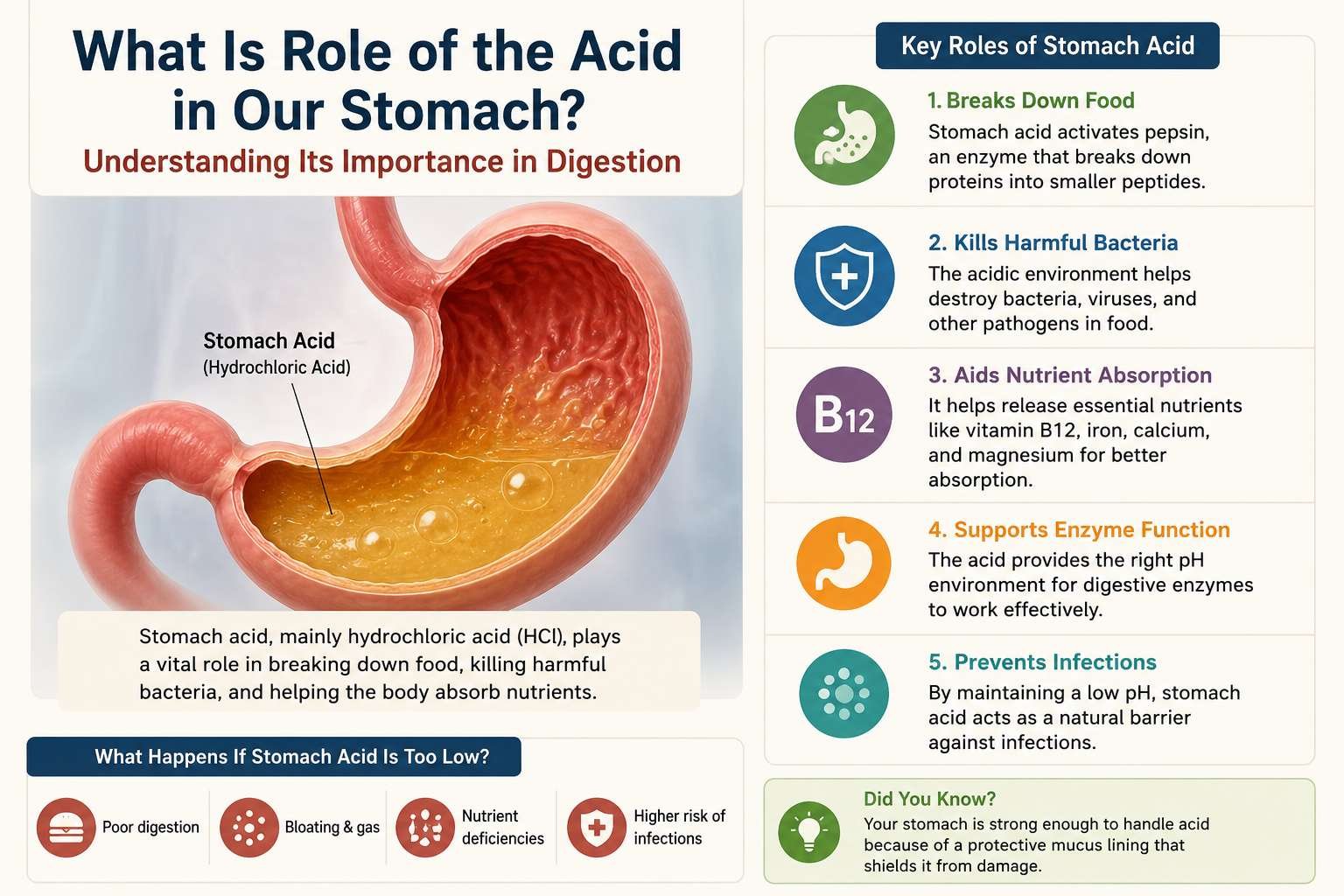
In physiological terms, stomach acid is primarily hydrochloric acid ($HCl$), secreted by specialized parietal cells located within the gastric mucosa. The stomach maintains a highly acidic environment with a pH typically ranging between $1.5$ and $3.5$ [NIH, 2023].
This potent acidity is tightly regulated. To prevent the stomach from digesting its own lining, specialized cells produce a thick, bicarbonate-rich mucus barrier. Beyond breaking down food, this environment serves multiple critical functions:
-
Enzyme Activation: It converts inactive pepsinogen into pepsin, the primary enzyme responsible for breaking down proteins.
-
Immune Defense: The low pH acts as a chemical barrier, neutralizing pathogenic bacteria, viruses, and parasites ingested with food [WHO, 2022].
-
Mineral and Vitamin Bioavailability: An acidic medium is crucial for cleaving Vitamin $B_{12}$ from dietary proteins and enhancing the solubility of iron, calcium, and magnesium.
The Ayurvedic View: Understanding Agni
While modern science measures $pH$ and enzymes, Ayurveda looks at Agni (the biological fire of transformation). In the classical text Charaka Samhita, Agni is considered the root of life, vitality, and immunity.
Specifically, the digestive fire located in the stomach and small intestine is known as Jataragni or Pachaka Pitta (the functional sub-energy of Pitta dosha associated with heat, transformation, and digestion).
-
Classical Reference: Ashtanga Hridaya, Sutrasthana, Chapter 12, Verse 1-3 explains that Agni governs the digestion of food, transformation of tissues (dhatus), and maintenance of overall vigor (ojas).
-
When Pachaka Pitta is balanced, digestion is smooth and the formation of Ama (metabolic toxins resulting from incomplete digestion) is prevented. When it is suppressed (Mandagni) or erratic (Vishamagni), it parallels the modern concepts of hypochlorhydria or hyperacidity.
What Happens When Your Digestive Fire Is Imbalanced?
Digestive distress rarely happens overnight. It is usually the result of lifestyle habits, chronic stress, or improper dietary combinations (Viruddha Ahara).
1. Low Acid / Low Agni (Mandagni)
When stomach acid production drops (hypochlorhydria) or Agni is weak:
-
Food lingers too long in the stomach, leading to fermentation, gas, and bloating.
-
Essential micronutrients ($B_{12}$, iron) fail to absorb properly, paving the way for fatigue and anemia.
-
Opportunistic bacteria can overgrow in the upper gastrointestinal tract.
2. High Acid / Aggravated Pitta (Tikshnagni)
When acid production becomes excessive or corrosive:
-
The delicate esophageal or gastric lining experiences irritation, leading to heartburn, burning sensations (Amlapitta in Ayurveda), and acid reflux.
-
Persistent inflammation can compromise the mucosal lining over time.
Practical Ways to Support Healthy Digestion (Modern & Ayurvedic Guidelines)
In my clinical experience, small, consistent adjustments to your daily routine (Dinacharya) and eating habits (Ahara-Vihara) yield the most profound improvements.
-
Chew Thoroughly: Mechanical breakdown in the mouth stimulates the cephalic phase of digestion, signaling the parietal cells to release $HCl$ and salivary enzymes.
-
Mindful Hydration: Avoid gulping large amounts of ice-cold water during meals, as it quenches Agni and dilutes gastric juices. Sip warm water sparingly if needed.
-
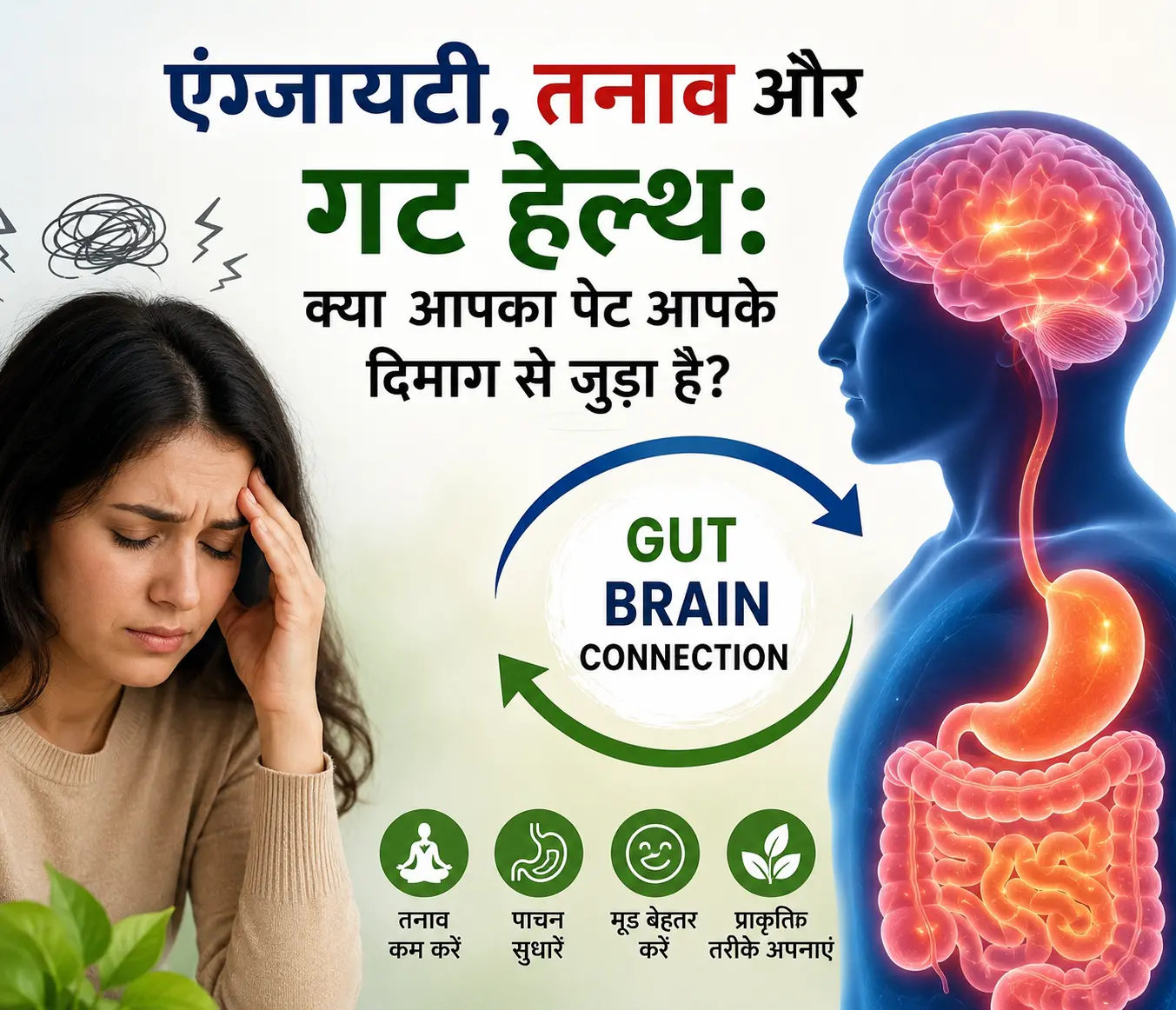
Manage Stress: The gut-brain axis is powerful. High stress triggers cortisol surges that inhibit optimal digestive secretions. Take five deep breaths before you eat.
-
Incorporate Digestive Spices: According to Ayurvedic principles, using carminative spices like ginger (Shunti), cumin (Jeeraka), and ajwain (Yavani) gently stimulates Agni and supports natural enzyme secretion.
Medical Disclaimer: The information provided in this article is for educational and informational purposes only and is not intended as medical advice. Always consult a qualified healthcare provider or Ayurvedic practitioner before making significant changes to your diet, supplement routine, or lifestyle, especially if you have an existing gastrointestinal condition.
References & Further Reading
Modern Medical References:
-
National Institutes of Health (NIH). (2023). Physiology, Gastric Secretion. StatPearls Publishing.
-
World Health Organization (WHO). (2022). Foodborne Disease Outbreaks and Microbial Safety Guidelines.
Classical Ayurvedic Texts & Books:
-
Charaka Samhita, Sutrasthana, Chapter 28 (Vividhashiti Upadhyaya Adhyaya) - Discussion on diet, digestion, and the qualities of food.
-
Ashtanga Hridaya, Sutrasthana, Chapter 12 (Doshabhediya Adhyaya) - Detailed elaboration of Agni, Pitta, and metabolic transformations.
-
Bhava Prakasha, Purva Khanda - Properties of food groups, spices, and digestive aids.
FAQs
Q1: What is the primary role of stomach acid?
A1: Stomach acid (hydrochloric acid) breaks down food into chyme, activates digestive enzymes like pepsin, neutralizes harmful microorganisms, and facilitates the absorption of vital nutrients like Vitamin $B_{12}$ and iron.
Q2: How does Ayurveda view stomach acid?
A2: Ayurveda views stomach acid through the lens of Jataragni (digestive fire) and Pachaka Pitta, which govern the transformation, digestion, and metabolism of ingested food.
Q3: What causes low stomach acid?
A3: Low stomach acid can be caused by chronic stress, aging, nutritional deficiencies, certain medications, and poor dietary habits.
Q4: Is acid reflux always caused by too much acid?
A4: Not necessarily. In many cases, acid reflux is linked to a weak lower esophageal sphincter caused by low stomach acid, poor gastric motility, or delayed stomach emptying.
Q5: Can drinking water during meals dilute stomach acid?
A5: Drinking excessive amounts of cold water during meals can temporarily lower gastric temperature and dilute digestive juices, potentially slowing down efficient digestion.
Q6: What are classical Ayurvedic signs of strong digestion?
A6: Strong digestion (Sama Agni) is characterized by a clear appetite at proper meal times, lightness in the body after eating, regular elimination, and sustained energy levels.
Q7: How do spices help support digestion?
A7: Spices like ginger, cumin, and black pepper act as natural Deepana (appetizers) and Pachana (digestive aids) that stimulate enzymes and improve metabolic fire according to Ayurvedic texts.
Q8: What is Ama in Ayurveda?
A8: Ama refers to toxic, unprocessed metabolic waste that accumulates in the body when digestion (Agni) is weak or incomplete.
Q9: When should I see a doctor for digestive issues?
A9: You should consult a healthcare professional immediately if you experience persistent severe abdominal pain, unexplained weight loss, difficulty swallowing, or black, tarry stools.
Q10: Are home remedies enough to cure chronic acid reflux?
A10: While lifestyle and dietary adjustments provide strong supportive care, chronic acid reflux requires a formal professional evaluation to rule out underlying structural or clinical conditions.